
Christian Dior was a French fashion designer who founded the House of Dior in 1946 and helped reshape postwar women’s fashion with a highly structured, overtly luxurious silhouette. His name now stands for the brand, the business, and a style of dress built around precision tailoring, rich fabric, and dramatic shape.
Stories from Christian Dior
17 stories


About Christian Dior
- Founded the House of Dior in Paris in 1946.
- Made the New Look famous in 1947: rounded shoulders, a narrow waist, and a full skirt.
- Linked couture to couture-level craftsmanship, especially in cutting, draping, embroidery, and tailoring.
- Turned a designer’s surname into a global luxury house that still shapes fashion image-making.
- His legacy remains visible in runway silhouettes, editorial styling, and store design.
Read the full overviewWho was Christian Dior?, What is the “New Look”?, How did Dior’s design work look in practice?, Why does Christian Dior still matter?
Who was Christian Dior?
Christian Dior was born in Normandy in 1905 and came to fashion after an early career as a gallery owner and illustrator. He learned to see clothing as an architecture of the body: waistlines, hemlines, sleeve shapes, and fabric weight all mattered as much as decoration. After years working for other houses during the 1930s and the war, he opened his own house on Avenue Montaigne in Paris in 1946.
His timing mattered. Europe was emerging from wartime rationing, and fashion had been defined by shortage and restraint. Dior offered something almost oppositional: cloth used generously, formal finishing, and a return to glamour. The result was not simply a new label but a new visual language for luxury.
What is the “New Look”?
Dior’s most famous contribution was the New Look, introduced in his spring 1947 collection. The silhouette emphasized rounded, soft shoulders, a cinched waist, and a long, full skirt that consumed large amounts of fabric. The shape often relied on boning, layered petticoats, and careful draping to create volume without visual heaviness.
The look was immediately influential because it changed the proportions of women’s dress so sharply after the angular wartime years. It also provoked criticism: some saw it as wasteful, restrictive, or too tied to old notions of femininity. That tension helped make Dior famous. His work did not just reflect taste; it redefined what counted as fashionable form.
How did Dior’s design work look in practice?
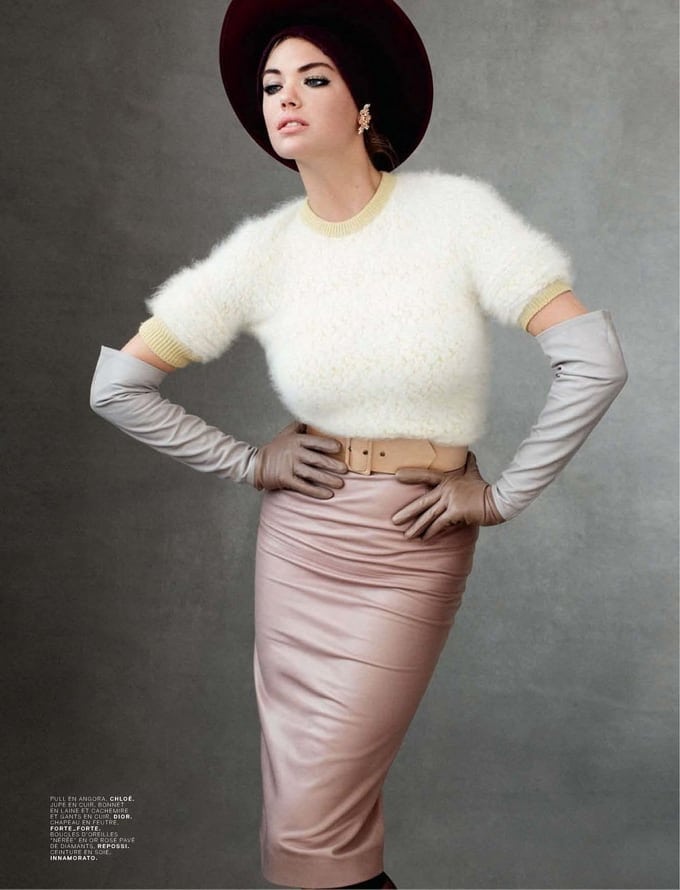
Dior’s clothes depended on exacting construction. Jackets were nipped in at the waist and shaped through darts and seams; skirts were cut to move with weight and swing rather than cling. Fabrics such as wool, silk, taffeta, and satin were chosen for their ability to hold structure, catch light, or fall in controlled folds. Embroidery, beadwork, and corsetry often reinforced the sense of opulence.
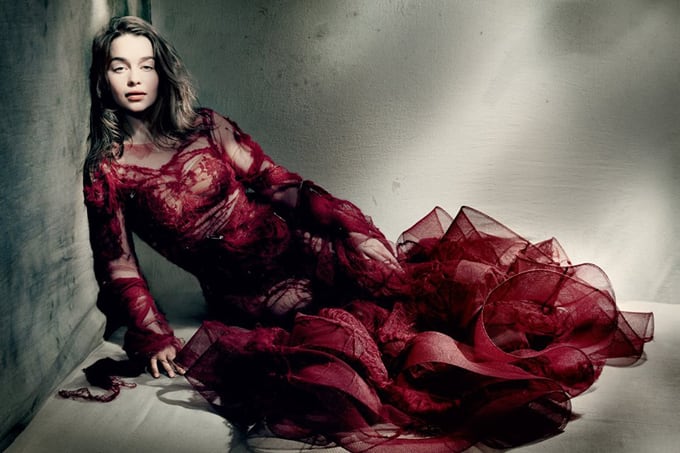
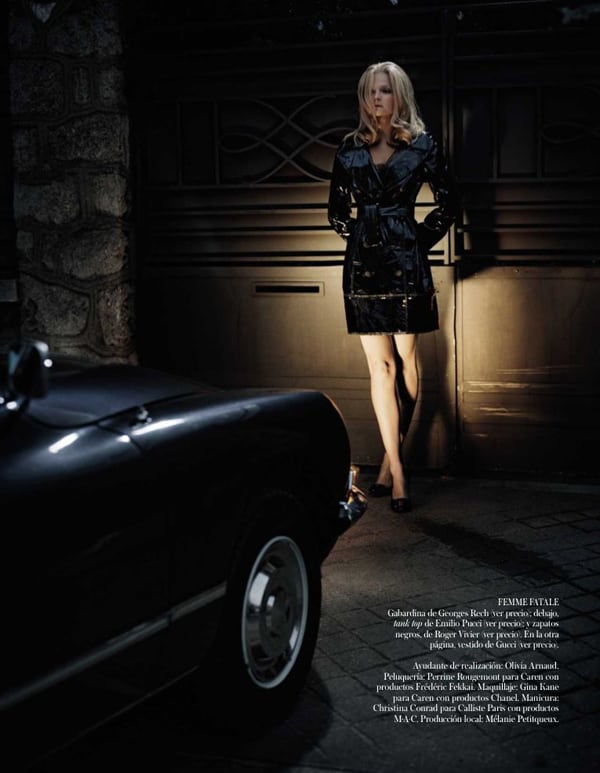
That attention to making is part of why the Dior name persists in visual culture. A Dior garment reads instantly in photographs: clean tailoring, a dramatic line, and a polished finish that can seem both severe and romantic. In editorials and advertising, the brand often uses architecture, sculpture, or stark interiors to echo the same contrast between control and abundance.
Why does Christian Dior still matter?
Dior mattered in his own lifetime because he helped restore Paris as the center of high fashion after the war. He also established a model for the modern luxury house: one designer’s aesthetic turned into a repeatable brand identity, supported by ateliers, licensing, perfume, accessories, and publicity. That structure still underpins much of the fashion industry.
His influence continues because the Dior silhouette remains legible across decades. Successive designers at the house have reinterpreted his codes, but the core ideas survive: a tailored waist, a cultivated femininity, and the idea that clothing can be engineered to produce a specific emotional effect. Dior also matters as an image-maker. Fashion magazines still use his name to signal polish, authority, and high production value.
Frequently Asked Questions
Was Christian Dior a couturier or a brand founder?
He was both. Dior designed clothes and also created the house that carried his name, which made him a couturier in the traditional sense and a founder in the modern luxury-business sense. That combination helped the label survive beyond his short life.
What materials are most associated with Dior?
Dior is associated with finely tailored wool, silk, satin, taffeta, and heavily worked evening fabrics. The house also became known for embroidery, corsetry, and skilled cutting that gave these materials shape. The effect depends less on one signature fabric than on how textiles are engineered into form.
Did Dior only design one silhouette?
No. The New Look is his most famous contribution, but his work also included lean tailoring, evening wear, and a range of softened but disciplined shapes. The lasting constant is not one outline but a method: careful proportion, luxury materials, and a strong sense of finish.