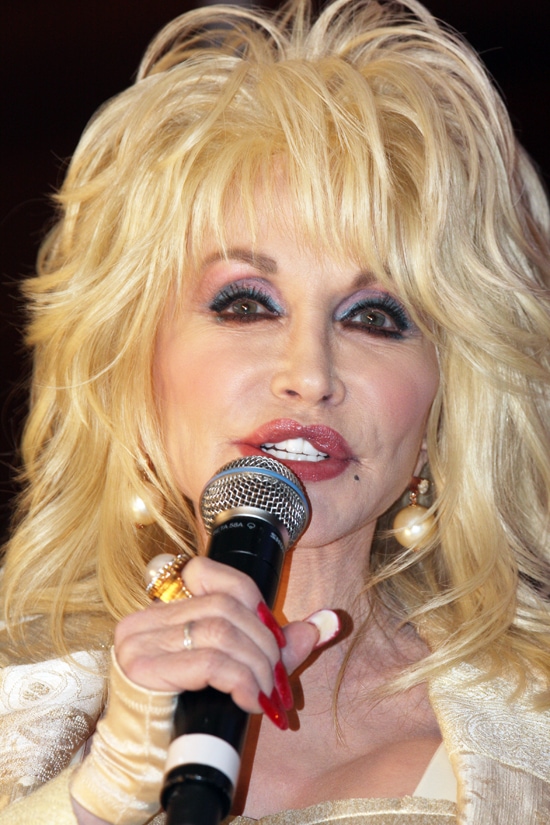
Dolly Parton is an American singer-songwriter, multi-instrumentalist, actress, author, and philanthropist whose career helped define modern country music. She built her reputation on a clear soprano voice, finely written songs, and a public image that combines glamour, wit, and business sense.
| Born | January 19, 1946 |
|---|---|
| Place | Sevierville, Tennessee, United States |
| Known for | Country music, songwriting, performance, film and television work, philanthropy |
| Instruments | Vocals, guitar, banjo, piano |
| Career start | Child performer; recording career began in the late 1950s and early 1960s |
How Dolly Parton began
Parton grew up in rural eastern Tennessee in a large family where music was part of daily life. She sang on local radio and television as a child and began recording professionally before she was old enough to vote. Those early singles did not make her a star, but they established the features that would carry through her later work: a high, ringing voice, direct storytelling, and songs that moved easily between pain, humour, and self-possession.
Her early career matters because it shows how much of her artistry came from craft rather than image alone. Parton writes in a style that sounds simple on first listen and reveals more with repetition. Melodies stay memorable, but the lyrics often hold careful turns of phrase, plainspoken detail, and a strong point of view.
Why is Dolly Parton so important?
Parton became a major figure in country music through both her writing and her performing. She moved from regional success to national recognition in the 1960s and 1970s, first as a solo artist and later as a crossover presence in pop culture. Songs such as Jolene, Coat of Many Colors, and I Will Always Love You became standards because they are tightly built, emotionally legible, and easy to adapt across styles.
Her importance also comes from the scale of her influence. She helped make country music more visible to audiences outside the genre, and she did so without abandoning its sonic core. Even when her work moved toward pop, film, or spectacle, the writing still relied on acoustic instruments, strong vocal placement, and a clear narrative frame.
What does her work look like in practice?
Parton’s recordings often begin with a voice that sits high in the mix and a structure that leaves little waste. Banjo, acoustic guitar, piano, and light rhythm parts support the vocal line rather than crowd it. Her songs tend to open with a sharply drawn situation, then widen into reflection or confession. That approach makes her music easy to recognise and difficult to imitate well.
Her public work also extends beyond studio recordings. She has performed in concert halls, on television, in film, and in theme-based live entertainment, including the Stampede dinner show associated with her name. She has written books, appeared in comedies and dramas, and built a business identity that treats performance as something broader than a single stage or medium.
How does her image shape her legacy?
Parton’s appearance has become part of her cultural language. Her hair, makeup, clothing, and stage styling often use brightness and excess deliberately, but they are not empty decoration. They function as performance design, creating a recognizable figure who can shift between sincerity and self-parody without losing control of the room.
That image also changes how her authorship is read. Parton has long been underestimated because she performs glamour so visibly, yet the work itself shows discipline, precision, and deep attention to audience response. In practice, her legacy sits at the intersection of songwriting, persona, and entrepreneurship.
Frequently Asked Questions
Is Dolly Parton only a country singer?
No. Country music is the centre of her career, but she has also recorded pop, gospel, and bluegrass, and she has worked extensively in film, television, and publishing. Her songs have been covered across genres, which is one reason her catalogue has remained so visible.
What makes her songwriting distinctive?
Her writing uses clear language, memorable hooks, and very specific emotional situations. She often pairs direct honesty with careful structure, so a song can sound casual while carrying strong craft underneath. That balance is a major reason her work travels well from one performer or arrangement to another.
Why does she matter beyond music?
Parton has become a model of celebrity built on creative output, business ownership, and philanthropy. Her charitable work, including support for literacy and community aid, has widened her public role beyond entertainment. She is also a rare example of a star whose persona became a durable design language in its own right.
Articles mentioning Dolly Parton