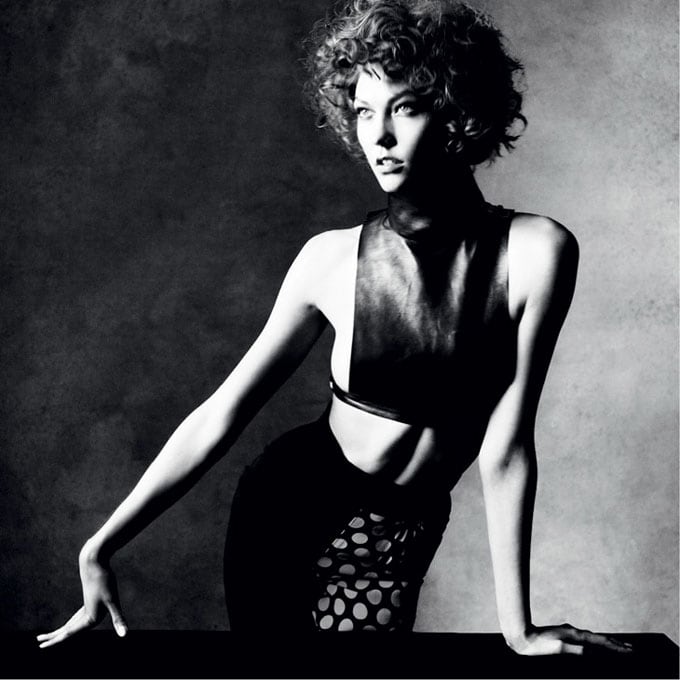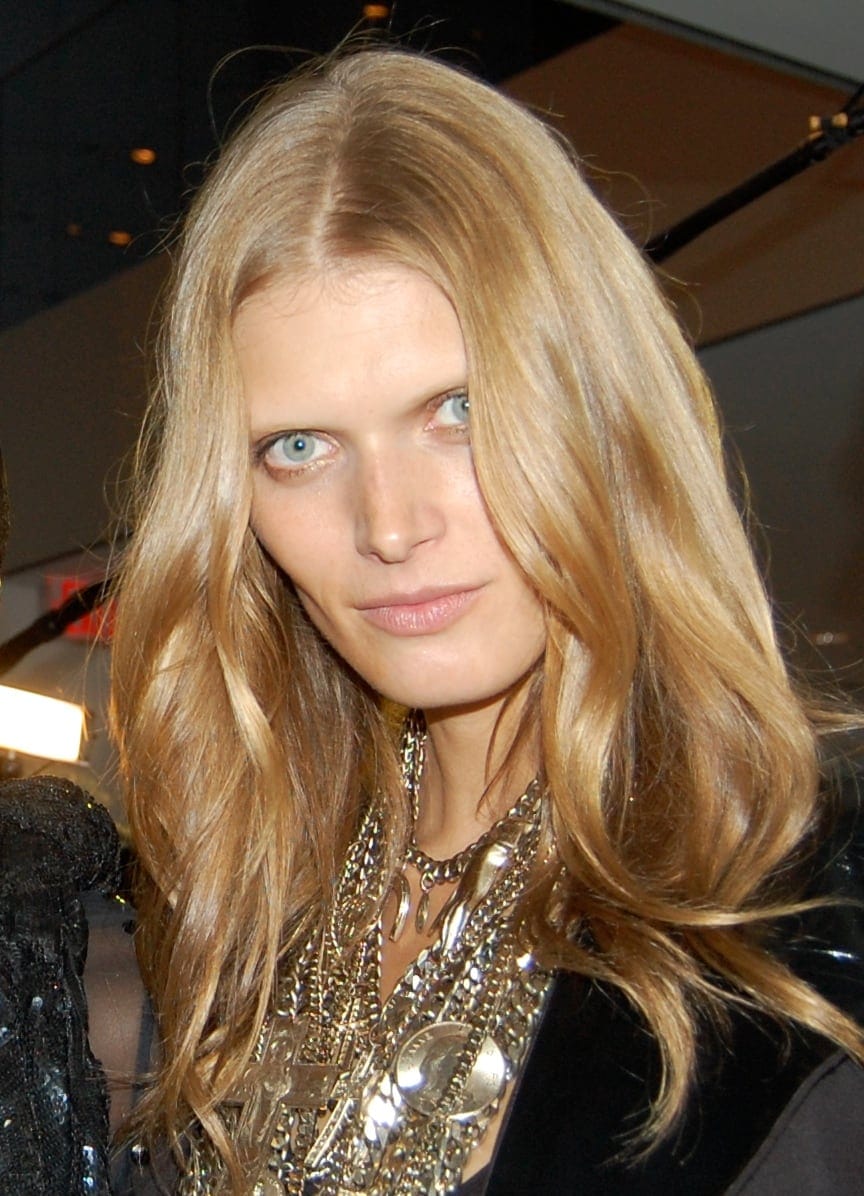
Małgosia Bela is a Polish fashion model and actress who came to prominence in the late 1990s through runway work, editorial shoots, and major luxury advertising campaigns. Born Małgorzata Bela in Kraków in 1977, she became known for a cool, controlled presence that suited high-fashion photography as well as moving image work.
| Born | Małgorzata Bela, 6 June 1977, Kraków, Poland |
|---|---|
| Known for | Fashion modelling, editorial covers, runway shows, advertising campaigns, acting |
| Active since | Late 1990s |
| Notable clients | Lanvin, Valentino, Jil Sander, Versace, La Perla |
| Editorial presence | Multiple international editions of Vogue, including Vogue Italia and Vogue Paris |
How she became a fashion name
Bela entered modelling at a moment when the industry still valued the distinctive “supermodel” presence: a face could become widely recognisable across magazines, catwalks, and campaigns. Her rise in the late 1990s placed her among the models who worked at both ends of the fashion system, from editorial image-making to the commercial pressure of advertising. That combination gave her a long shelf life in an industry that often rewards novelty over consistency.
Her work appeared in leading fashion magazines, especially the European and American editions of Vogue. Covers mattered because they turned a model into a public image rather than a behind-the-scenes professional. Bela’s repeated appearance on those covers signalled that she could carry a story, not just wear clothes.
What does her modelling look like in practice?
Bela is associated with a restrained, composed style of modelling. Photographers and designers often use that kind of presence to sharpen the clothes around it: a severe silhouette reads more clearly when the model does not compete with it. In editorial work, that makes her adaptable to very different visual languages, from polished luxury to stripped-back, modernist framing.
On the runway, the same quality gives a designer clean lines and a stable pace. In campaigns, it helps a brand project confidence without overstatement. Labels such as Lanvin, Valentino, Jil Sander, and Versace used her in settings where the model’s expression needed to support the garment’s identity rather than overwhelm it.
Why fashion magazines and luxury brands used her
Fashion magazines and brands use models for more than likeness; they use them to build atmosphere. Bela’s face and bearing suited the late-1990s and early-2000s fashion image-making that often balanced polish with a slightly distant, editorial mood. That made her useful to publications seeking a strong cover image and to houses wanting a campaign that felt expensive, disciplined, and current.
Her appearance alongside Cara Delevingne and Liu Wen in a La Perla advertising campaign shows how a model can be part of a cast that communicates a brand’s range of beauty ideals. La Perla’s campaigns typically rely on poise, sensuality, and the texture of lingerie and fabric; Bela’s kind of presence supports that by reading as both elegant and exact. In this field, the model is part performer, part visual instrument.
Did she also work as an actress?
Yes. Bela also worked as an actress, which is not unusual for models who already understand how a camera builds character from posture, gesture, and stillness. Acting extends the same visual skills into a different medium, where expression must unfold over time rather than in a single frame.
That crossover matters because fashion modelling and screen performance are closely related at the level of image control. A model like Bela can move between a still photograph, a runway presentation, and a filmed campaign because each format asks for a slightly different version of the same discipline.
Frequently Asked Questions
What is Małgosia Bela best known for?
She is best known as a high-fashion model who worked extensively in editorial and advertising from the late 1990s onward. Her covers for international editions of Vogue and her campaigns for major houses such as Lanvin and Versace are central to that reputation. She also has an acting career, though modelling remains her primary public identity.
Why do fashion brands choose models like her?
Brands choose models who can carry a clear visual idea without distracting from the clothes. Bela’s controlled, elegant presence works well for luxury fashion because it gives garments a precise frame. That makes her especially useful in campaigns where mood, texture, and silhouette carry the message.
What makes her important in fashion history?
She belongs to the generation of models who helped define the polished editorial glamour of the late 1990s and early 2000s. Her repeated presence in major magazines and campaigns shows how a model can become part of the visual language of an era. She is important not because of one iconic image alone, but because of sustained visibility across the places where fashion is made and circulated.
Articles mentioning Małgosia Bela