Paris Fashion Week is a semiannual series of runway shows, presentations, and trade events held in Paris for the spring/summer and autumn/winter womenswear seasons, with menswear and couture also scheduled around the city’s official fashion calendar. It sits at the center of the contemporary fashion system: brands use it to present collections, set image, and signal commercial direction, while editors, buyers, stylists, and photographers use it to see what will shape the coming season.
- Held twice a year under the coordination of the Fédération de la Haute Couture et de la Mode.
- Part of the “Big Four” fashion weeks, alongside New York, London, and Milan.
- Combines catwalk shows, showroom appointments, installations, and press events.
- Known for high-profile luxury houses, but also for emerging labels and experimental presentations.
- Its schedule and venues spread across Paris rather than a single fixed fairground.
What makes Paris Fashion Week different?
Paris Fashion Week is not one single event but a tightly timed calendar. Large houses show at major venues such as the Carrousel du Louvre, while others stage events in galleries, museums, courtyards, or adapted industrial spaces. The format can include theatrical runways, intimate salons, filmed presentations, and appointments in showrooms. What ties them together is timing: the schedule sets the order in which collections are released to the industry and to the public.
Paris has a special place in fashion because it combines historical couture with a dense ecosystem of luxury brands, pattern makers, embroidery ateliers, textile suppliers, and magazines. That concentration makes the city useful not just for spectacle, but for production. A show in Paris often carries more than a marketing message; it signals the technical finish, silhouette, and material language of a collection that may have been developed with French and European specialist workshops.
How did it come about?
Paris has hosted fashion presentations for more than a century, but the modern fashion week system emerged after World War II, when the industry needed a more organized international schedule. Paris adapted from private couture salons to a broader calendar that could serve ready-to-wear, menswear, and later digital audiences. Over time, the city’s role became institutionalized through the Fédération de la Haute Couture et de la Mode, which coordinates the official schedule and helps control timing across competing brands.
The term “fashion week” can sound deceptively simple, but in Paris it covers a layered system. Couture collections, for instance, follow their own calendar and operate under stricter rules about handwork, ateliers, and made-to-measure production. Ready-to-wear shows, by contrast, are part of the faster seasonal cycle that drives retail buying and media coverage. Paris Fashion Week therefore reflects both the glamour of the runway and the labor of making garments at scale.
What does it look like in practice?
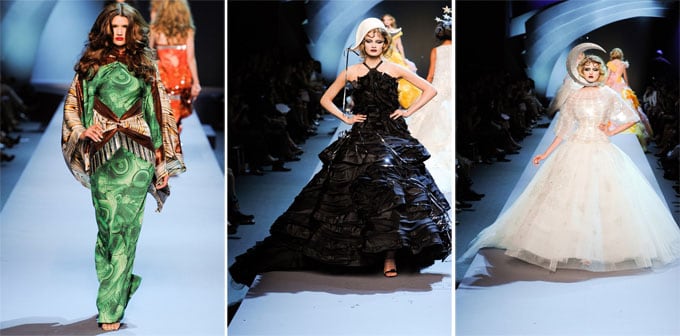
In practice, Paris Fashion Week means a city filled with set pieces, lighting rigs, front rows, backstage teams, and garment transport. Models move through collections that may rely on tailoring, knitwear engineering, pleating, embroidery, leatherwork, or synthetic fabrication. The clothes themselves are often made to read clearly under intense lighting and in rapid succession, which is why silhouette, texture, and finish matter so much.
It also means a highly managed public image. Photographers cluster outside venues, brands stage arrivals, and digital teams release images within minutes of the show. For smaller labels, the format can be less about celebrity and more about access: a carefully built presentation can secure stockists or press coverage. For major houses, the show is part theater, part sales strategy, part cultural statement.
Why does it matter?
Paris Fashion Week matters because it still helps determine what fashion looks like globally in the next season. The week influences not only clothing sales but also styling, beauty direction, set design, and the way luxury brands communicate identity. A strong Paris show can shift how a house is discussed for months, and the images circulate far beyond the industry through magazines, social media, and advertising campaigns.
It also matters as a site where fashion’s hierarchy becomes visible. The event draws attention to who controls access, who gets funding, and which kinds of making are valued as “high” fashion. At the same time, it remains one of the few places where handcraft, textile innovation, and runway performance meet in public view. That combination keeps Paris Fashion Week central to both fashion commerce and fashion culture.
Frequently Asked Questions
Is Paris Fashion Week only for luxury brands?
No. Luxury houses dominate the public image, but the schedule also includes emerging designers, smaller labels, and specialized presentations. The official calendar is competitive, so not every participant has the same scale or audience. Still, the prestige of Paris tends to amplify even modest shows.
Who decides the dates and schedule?
The Fédération de la Haute Couture et de la Mode coordinates the official calendar. It organizes the timing so brands can present in a structured order across womenswear, menswear, and couture seasons. This prevents overlap and helps buyers, editors, and production teams plan attendance.
Why is Paris one of the “Big Four” fashion weeks?
Paris sits alongside New York, London, and Milan because these cities formed the core international circuit for runway shows and press coverage. Together they shape the global seasonal calendar and influence how fashion media, retail, and brand strategy operate. Paris has particular weight because of its couture history and its concentration of major luxury houses.
Articles mentioning Paris Fashion Week