
Jennifer Lawrence is an American actor known for moving between independent films, studio franchises, and fashion-editorial portrait sessions with unusual ease. Born in 1990, she first drew attention on television before becoming a major film star in the 2010s, especially after her performance in Winter’s Bone and her later lead role in the Hunger Games series.
Stories from Jennifer Lawrence
6 stories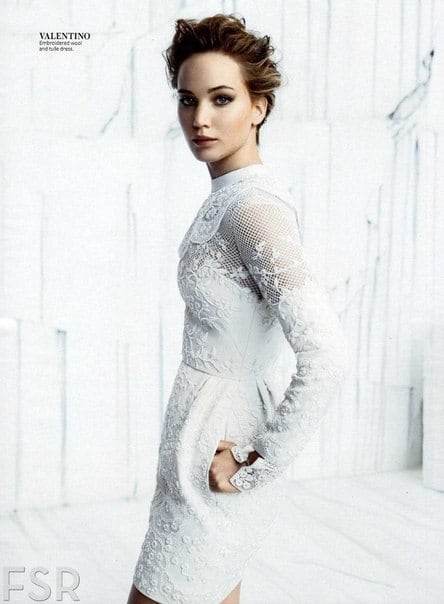
About Jennifer Lawrence
- She began with television work before breaking through in independent film.
- Winter’s Bone made her a serious awards contender and established her as a dramatic lead.
- She became one of the defining film stars of the 2010s through franchise roles and prestige projects.
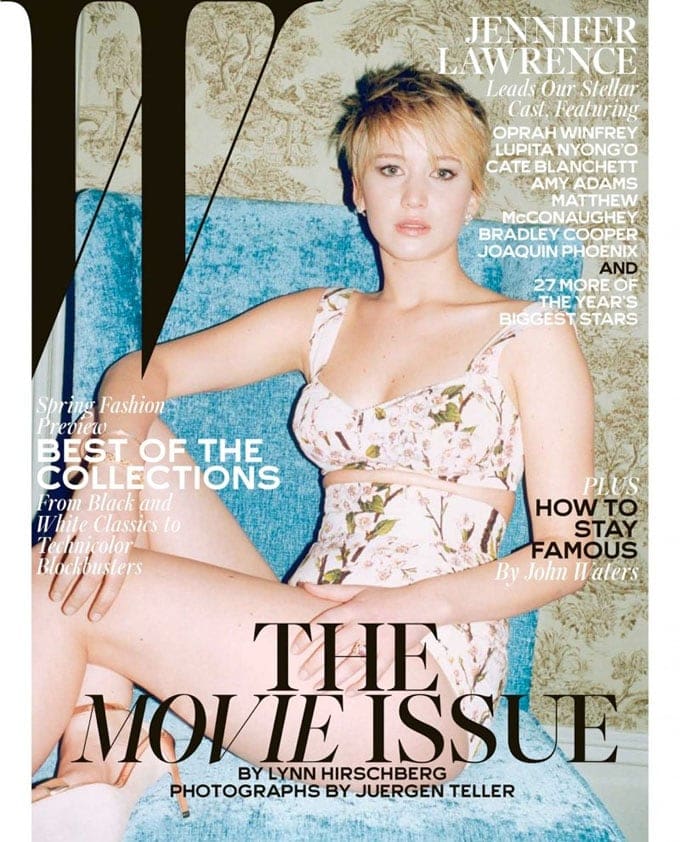
- Fashion magazines have repeatedly used her as a cover subject because she photographs well in both polished and casual modes.
- Her public image combines accessibility, humor, and a distinctly modern star persona.
Read the full overviewHow did Jennifer Lawrence become famous?, What makes her image matter in fashion media?, Why did critics pay attention to her early performances?, How does Jennifer Lawrence function as a star persona?
How did Jennifer Lawrence become famous?
Lawrence started on television, most notably as a cast member on The Bill Engvall Show, and then moved into independent cinema. Her role in Winter’s Bone brought her critical attention because it required a restrained, physically grounded performance rather than a glossy star turn. That film placed her in the company of actors who can carry a narrative through presence, stillness, and close observation as much as through dialogue.
Her rise accelerated when she entered mainstream franchise filmmaking. As Katniss Everdeen in The Hunger Games, she became a global movie star, and the role defined much of the visual culture around her in the early 2010s: braids, practical clothing, and a heroine framed through survival rather than glamour. That contrast helped make her magazine work interesting, because editors could present her as both a commercial star and a more grounded, less posed presence.
What makes her image matter in fashion media?
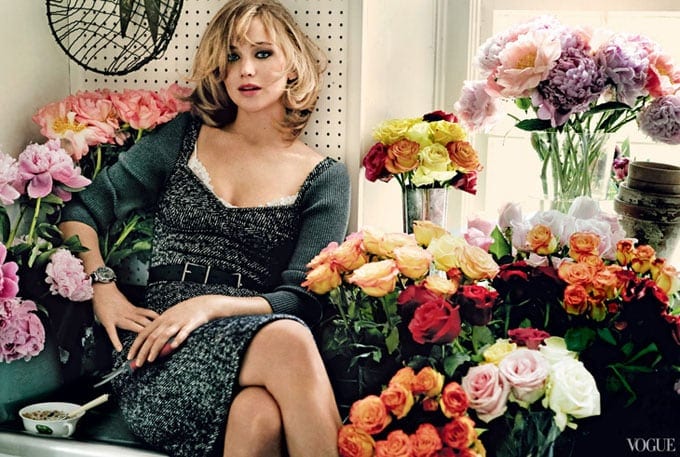
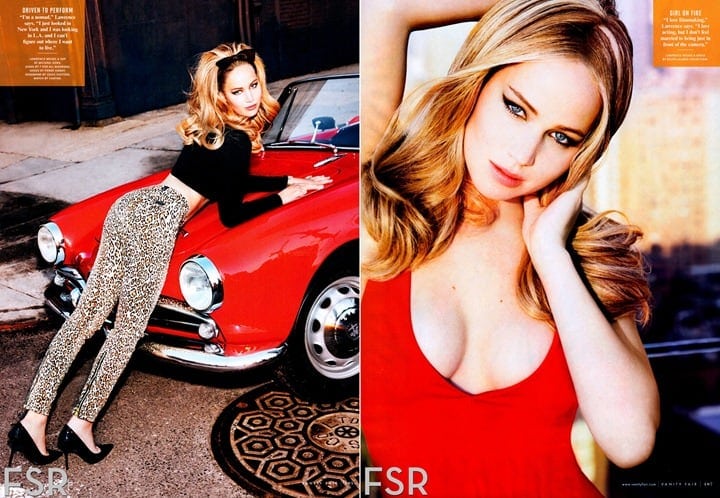
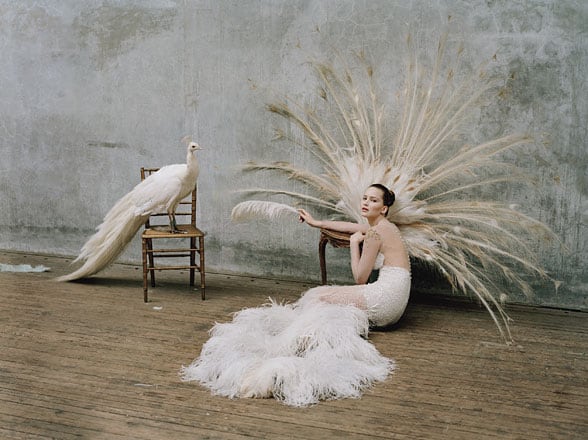
Fashion magazines have treated Lawrence as a reliable subject because she reads clearly on the page. She can look sharp in formal styling, but she also projects ease, which is useful in editorial portraiture. Photographers and stylists often work against her public character by giving her sleek tailoring, structured gowns, or deliberately relaxed, undone looks that suggest spontaneity. The result is a star image built as much from attitude and framing as from clothing.
That matters because magazine portraiture does not only document celebrity; it manufactures tone. Lawrence’s covers and spreads have often balanced prestige with accessibility, a combination that suits publications seeking both glamour and personality. In visual terms, she often appears less like a distant idol than like a modern working actor whose image can shift from polished to playful within a single shoot.
Why did critics pay attention to her early performances?
Critics took Lawrence seriously early because she brought physical credibility and emotional directness to roles that could have become generic. In Winter’s Bone, for example, the performance depends on labor, weather, fatigue, and silence. The film is rooted in a specific rural environment, and Lawrence’s work fits that setting through plain clothes, limited gesture, and a face that registers pressure without theatrical explanation.
That approach helped distinguish her from actors whose fame begins with style before substance. Lawrence’s early reputation came from the reverse: first from craft, then from fame. The awards attention confirmed that she could anchor serious material, and that credibility later supported her move into bigger commercial projects without making her seem like a borrowed face from prestige culture.
How does Jennifer Lawrence function as a star persona?
Her star persona rests on contrast. She has been presented as both highly controlled and informally funny, both couture-ready and casually unguarded. That tension is part of her appeal in interviews and photo shoots, where she often seems to resist the stiffness that can flatten celebrity coverage. In editorial terms, that gives photographers room to stage her as an immediate, human presence rather than a remote icon.
For FreeYork’s interest in how things are made, Lawrence is relevant because her image is clearly produced. Costume, styling, lighting, pose, and facial expression all shape how she is read. Whether in a film still or a magazine spread, her persona is not just an accident of fame; it is a constructed visual identity, refined through repeated collaboration among actors, stylists, photographers, and editors.
Frequently Asked Questions
What was Jennifer Lawrence’s breakthrough role?
Winter’s Bone was her major breakthrough in film. It introduced her as a serious actor with the ability to carry a demanding lead role. The performance led to major award nominations and made her visible to both critics and casting directors.
Why is she so often featured in magazines?
She photographs well, reads quickly, and can project several different moods without losing recognizability. That makes her useful for cover stories and fashion portfolios, where editors want a subject who can signal glamour, intelligence, and relatability at once. Her public persona also gives magazines a lot of visual range to work with.
What kind of roles is she best known for?
She is best known for roles that combine emotional force with a practical, unsentimental presence. That includes independent drama, franchise action, and prestige projects with strong visual design. Across those forms, her strongest work tends to depend on directness rather than ornament.