Global Presence: The Dutch have a significant global presence, with around 30-35 million people of Dutch descent worldwide, including a sizeable diaspora.
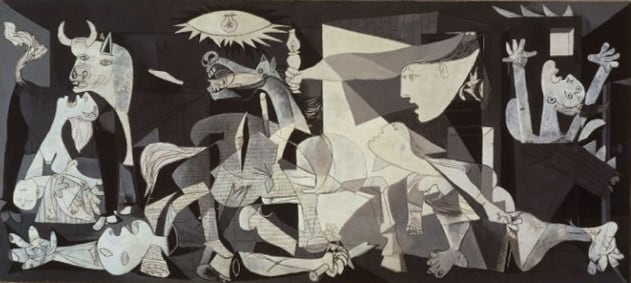
Cultural Richness: Dutch culture is renowned for its traditional music, dances, architectural styles, and clothing. Dutch painters like Rembrandt and Van Gogh are globally acclaimed.
Language and Religion: Dutch is the primary language. Historically Christian, the majority are now irreligious, with minorities following Christianity, humanism, agnosticism, and atheism.
Historical Influence: The Dutch have a rich history, including the formation of the Dutch Republic and the Dutch colonial empire.
Ethnic and Cultural Identity: There is a distinction between the terms “Hollander” and “Nederlander”, with the former specifically referring to people from the Holland region.
Linguistic Diversity: Dutch is spoken by about 29 million people and has various dialects, including Hollandic, West-Flemish/Zeelandic, and Limburgish.
Diaspora: Significant Dutch populations exist in the United States, Canada, Australia, and South Africa.
Frequently Asked Questions
What are the main characteristics of Dutch culture? Dutch culture is known for its rich history in arts, particularly painting, traditional music, dances, and distinctive architectural styles. The culture also reflects a high degree of urbanization and a history of pioneering in various fields.
How significant is the Dutch diaspora worldwide? The Dutch diaspora is significant, with an estimated 14-15 million people of Dutch ancestry living outside the Netherlands, particularly in the United States, South Africa, Canada, Australia, and New Zealand.
What is the primary language of the Dutch? The primary language is Dutch, a West Germanic language spoken by around 29 million people. It has several dialects and maintains close linguistic ties to English and German.
Are the Dutch religious? Historically, the Dutch were predominantly Christian, but modern times have seen a shift, with the majority now identifying as irreligious. However, there remain sizable minorities of Christians, humanists, and agnostics.
How did the Dutch Republic influence global history? The Dutch Republic played a crucial role in the 16th and 17th centuries, known for its early and high degree of urbanization, pioneering in trade and exploration, and significant contributions to art and science. This period is often referred to as the Dutch Golden Age.
Independent watchmaker Speake-Marin co-operated with a trio of artisans of various specialties to create 'the Kennin-Ji Temple Masters Project' wristwatch. Selected by a collector,…
Around the earth, there are several monumental cities that hold universal clout and serve almost as a draft for new, up-and-coming cities. Nevertheless, it…
https://vimeo.com/93011435 Though powered by simple rotary engines, these kinetic models by Netherlands-based sculptor Jennifer Townley are spinning in complexity. Constant patterns turn, mix, and…
Dutch artists Lernert and Sander became famous after collaborating on an art related project that melted chocolate bunnies in different ways and now this…
Dutch designer Iris van Herpen created his latest fashion collection in collaboration with Prof. Neri Oxman, Julia Koerner, Stratasys and Materialise. She combined traditional…
Dutch designer Daan Roosegaarde’s cycle path, illuminated with patterns based on Vincent Van Gogh’s painting The Starry Night, officially opens in Nuenen this…