
Joie de Vivre Hospitality is a San Francisco-based hotel company known for building and operating boutique hotels with distinct personalities, strong graphic identities, and tightly edited interiors. Founded in California, it grew by treating each property as a themed experience rather than a generic lodging product, and it became one of the largest boutique hotel operators in the United States.
Stories from Joie de Vivre Hospitality
1 story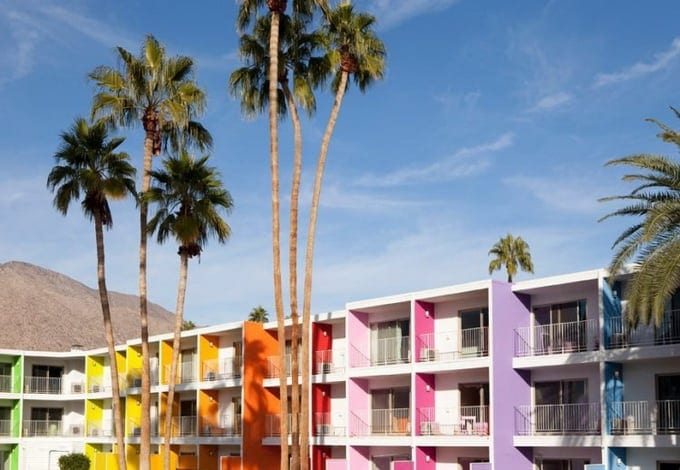
About Joie de Vivre Hospitality
- Founded in San Francisco and associated with the rise of boutique hospitality on the West Coast.
- Operates hotels and restaurants with highly specific concepts, names, and visual identities.
- Built its reputation on properties that feel locally inflected rather than standardized.
- Often works with designers, architects, and branding teams to create a complete guest experience.
Read the full overviewWhat kind of company is it?, Why did Joie de Vivre matter?, How does it show up in design?, Where did it come from?
What kind of company is it?
Joie de Vivre Hospitality is a hospitality operator, but its role has usually gone beyond management alone. The company became known for shaping the look, mood, and narrative of its properties, from lobby graphics to room finishes and restaurant atmospheres. That approach placed it near the center of the boutique-hotel movement, where design helped a hotel stand out as a destination rather than a neutral place to sleep.
The company’s name, borrowed from the French phrase for “joy of living,” signals its emphasis on personality and pleasure. In practice, that has meant properties with clear points of view: playful color palettes, regional references, eccentric details, and spaces that feel more curated than corporate. The same logic has made the brand relevant to architecture and interior design readers, because the hotel becomes a stage for material choices, lighting, furniture, and identity systems.
Why did Joie de Vivre matter?
Joie de Vivre helped normalize the idea that a hotel could sell atmosphere as much as service. That mattered in the late 20th and early 21st centuries, when travelers increasingly wanted places that felt individual, photogenic, and tied to a sense of location. Rather than standardizing properties across markets, the company leaned into difference, making each site legible through its design language.
This strategy influenced how boutique hotels were commissioned and marketed. Developers, architects, and graphic designers had to think together from the start, because the brand depended on a unified experience. Joie de Vivre’s properties often used bold color, custom signage, patterned textiles, and a clear concept that could be read immediately in photographs and in person.
How does it show up in design?
In practice, the Joie de Vivre model often appears as a strong decorative framework around a building’s architecture. A hotel might be given a vivid palette, a regionally specific motif, or a retro register that shapes everything from upholstery to wayfinding. This does not always mean luxury in the traditional sense; it more often means an assertive point of view and a willingness to let personality override neutrality.
That approach is visible in projects like The Saguaro Hotel in Palm Springs, where color functions as branding, orientation, and atmosphere all at once. Properties associated with the company often rely on coordinated interiors, custom graphics, and memorable public spaces to create a coherent identity. The guest experience becomes part design object, part lifestyle pitch, and part local landmark.
Where did it come from?
Joie de Vivre emerged in California, where hotel design has long intersected with leisure culture, car travel, and the business of destination-making. San Francisco provided a base with access to designers, restaurateurs, and a clientele open to more experimental hospitality. From there, the company expanded by acquiring and operating properties that could be reinterpreted through a strong brand concept.
The company’s growth reflected a broader shift in hospitality away from uniform chains and toward lifestyle branding. Its hotels were not built to disappear into the background. They were built to be noticed, remembered, and photographed, which made them useful models for an era in which interiors, branding, and social media culture increasingly reinforce one another.
Frequently Asked Questions
Is Joie de Vivre Hospitality a hotel chain?
It is a hotel company, but “chain” suggests a level of sameness that does not fit its identity well. Joie de Vivre built its reputation on properties with distinct concepts and visual signatures rather than interchangeable rooms and lobbies. The company’s value came from variation within a shared approach to design and experience.
Why do designers care about this company?
Designers care because Joie de Vivre turned hospitality into a multidisciplinary design problem. Architecture, interiors, graphics, furniture, and branding all had to work together to create a single atmosphere. That made the company relevant to anyone studying how visual identity shapes public space.
What does Joie de Vivre look like in a finished project?
A finished project often reads as bold, specific, and carefully branded from the moment of arrival. Color, signage, room details, and public areas usually reinforce a clear concept, whether playful, coastal, retro, or locally inflected. The result is a hotel that behaves like a designed environment rather than a neutral service space.