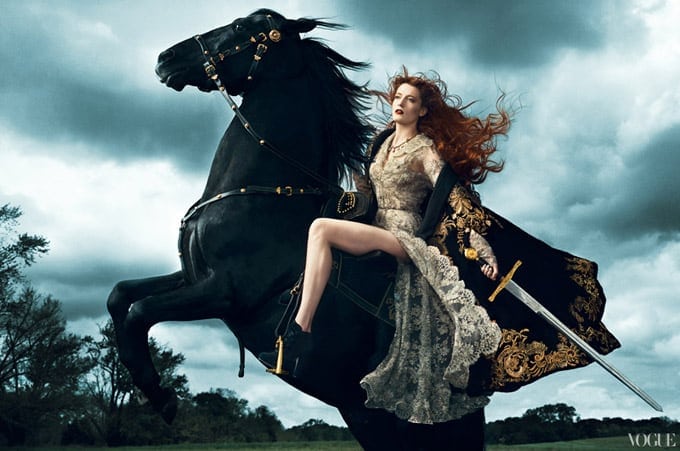
Kate Upton is an American model and actor whose rise through fashion editorials and advertising made her one of the most visible commercial models of the 2010s. She first became widely known after appearing in the Sports Illustrated Swimsuit Issue, then expanded into magazine covers, runway-adjacent fashion campaigns, and screen roles that kept her in the public eye beyond modelling.
- Born Katherine Upton in 1992 in the United States.
- Became a major name through the Sports Illustrated Swimsuit Issue, including the 2011 Rookie of the Year title.
- Worked across print editorials, brand campaigns, cover shoots, and entertainment projects.
- Known for a polished, high-visibility image that suited glossy fashion and lifestyle publications.
- Her career sits at the intersection of modelling, celebrity culture, and commercial fashion imaging.
How did Kate Upton become famous?
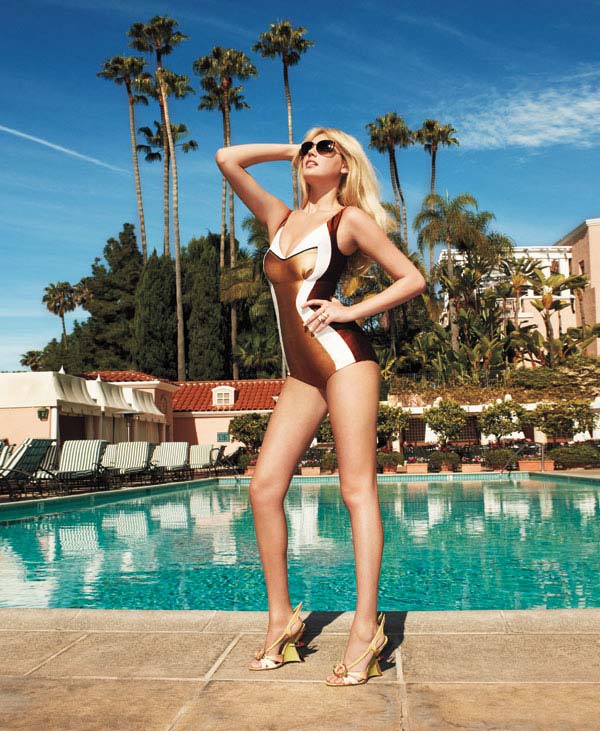
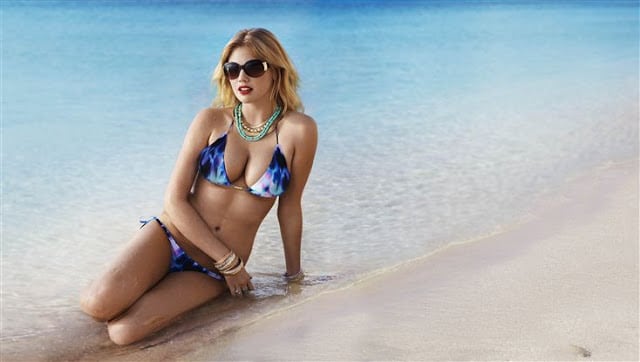
Upton’s early visibility came from modelling work that embraced the conventions of American glossy media: bright lighting, direct posing, body-forward styling, and a confident, easily marketable presence. The Sports Illustrated Swimsuit Issue gave her a mass audience, and the magazine’s promotional machinery turned a one-off appearance into a recognisable public image. In 2011 she was named Rookie of the Year, a label that helped fix her as a new star rather than just another model on assignment.
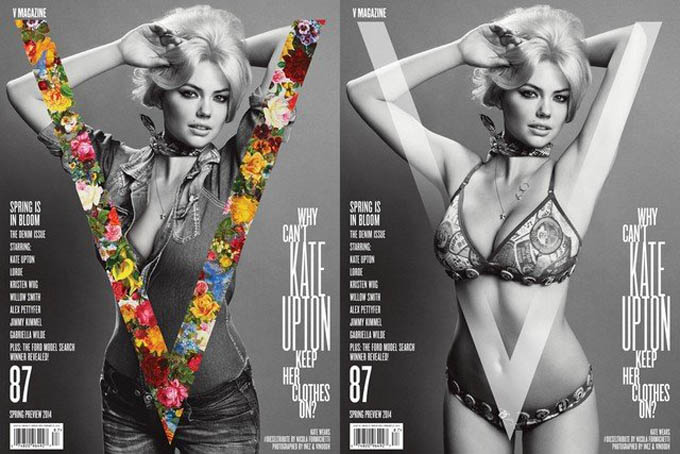
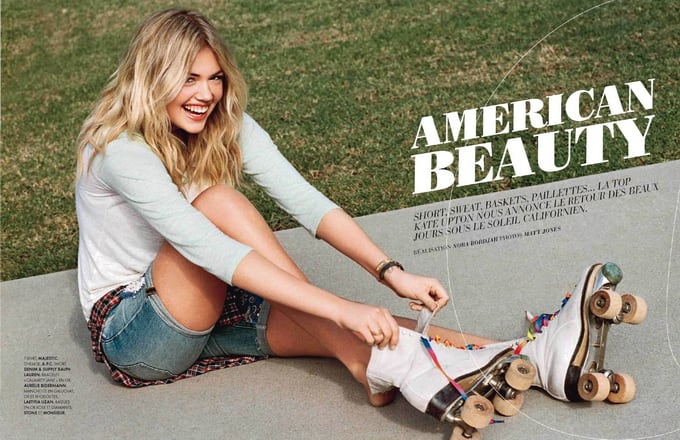
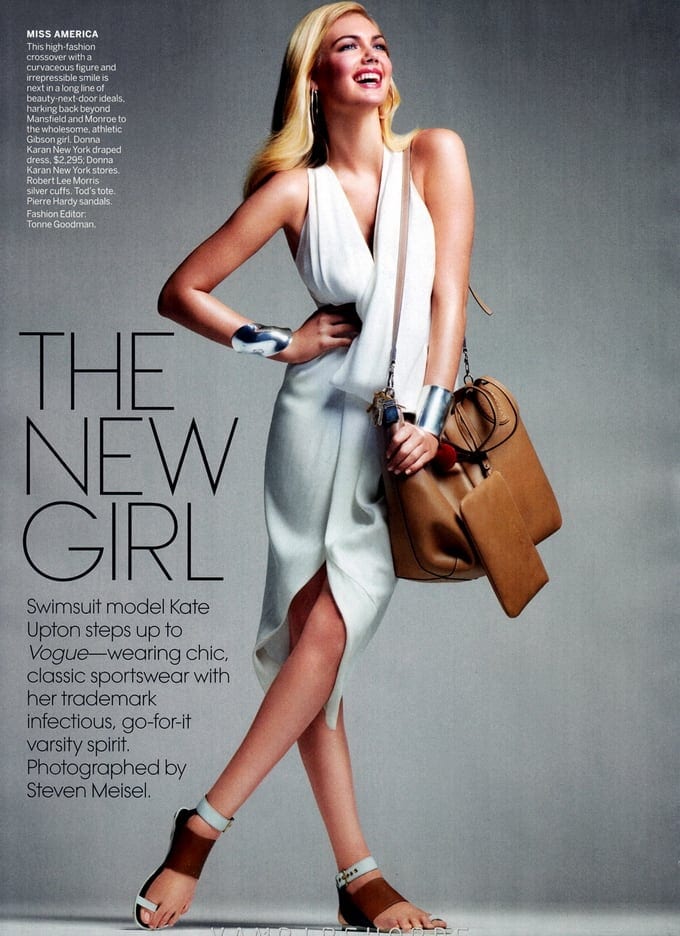
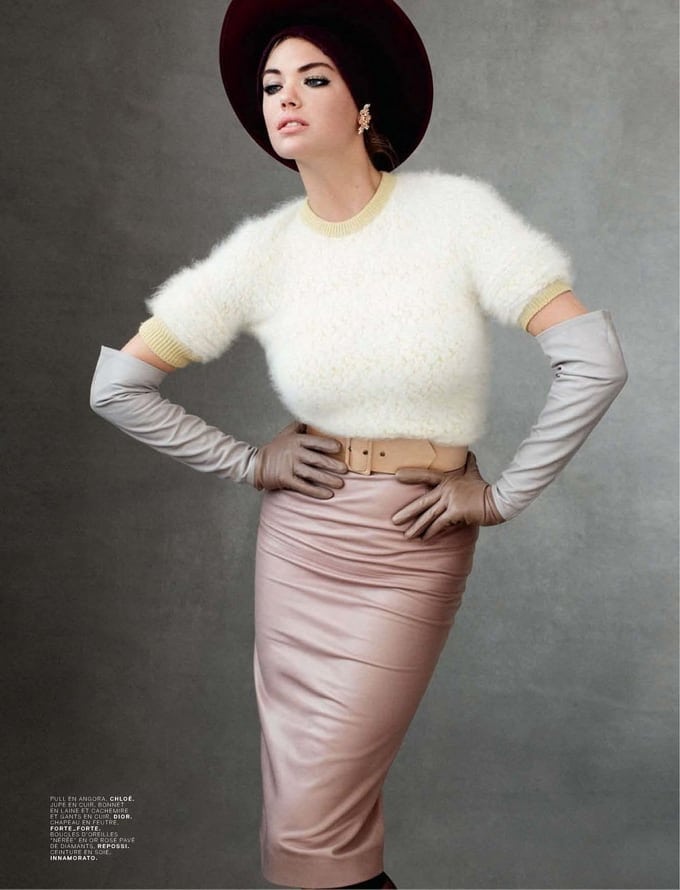
That attention led quickly to cover shoots and fashion editorials. She appeared in titles such as Vogue, V Magazine, Jalouse, and Elle France, where photographers and stylists could recast her image for different audiences. In some contexts she read as glamorous and playful; in others, as a mainstream celebrity with broad commercial appeal.
What does a Kate Upton image usually look like?
A Kate Upton image often relies on strong clarity rather than obscurity. Her shoots commonly use clean framing, energetic posture, visible hair and makeup styling, and clothes that support an accessible, high-impact look. Because many of her most circulated images came from magazines and campaigns rather than niche art-fashion projects, the emphasis usually falls on recognisability and immediacy.
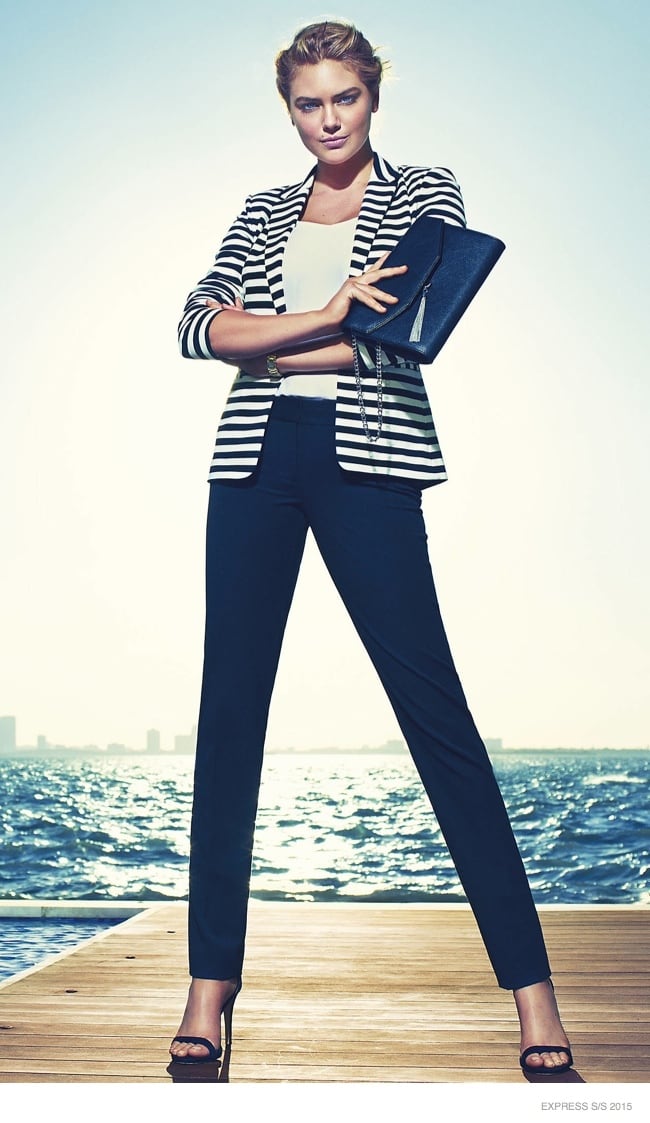
Photographers such as Terry Richardson, who worked with her on editorial imagery, often brought a blunt, flash-lit style that sharpened the image’s commercial edge. In advertising campaigns for brands like Express and Accessorize, the styling shifts toward retail readability: garments, accessories, and a straightforward consumer message. The model’s job in those settings is not abstraction but persuasion.
Why does Kate Upton matter in fashion media?
Upton matters because she became a bridge between swimsuit modelling, fashion editorial, and mainstream celebrity branding. That combination is common now, but in the early 2010s it was still a powerful formula for media exposure. Her career showed how a model could move from a magazine special issue into a larger ecosystem of covers, campaigns, and entertainment coverage.
She also mattered because her image was widely debated. Supporters saw a fresh, charismatic face that broadened the idea of who could front major fashion and lifestyle publications. Critics read the same success as proof of how commercial and formulaic the industry could be. Both reactions point to her central role in shaping the look and language of mass-market glamour during that period.
What kinds of projects has she appeared in?
Upton’s assignments span the kinds of work that define contemporary image-making: editorial covers, branded fashion campaigns, celebrity portraits, and promotional appearances. Her tagged FreeYork articles include a Vogue cover, a Vogue feature, a V Magazine shoot, a Jalouse editorial, and campaigns for Express and Accessorize. That range shows how a single model can be styled to fit luxury publishing, high-street retail, and celebrity coverage.
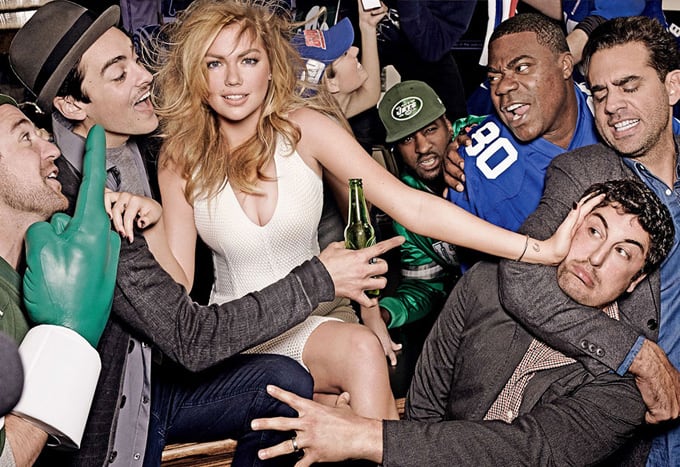
She has also appeared in entertainment contexts, including video and event coverage. For a model with a strong public profile, these appearances matter because they extend the image beyond still photography. The result is a cross-platform identity: printed page, billboard-style campaign, red carpet, and social media all reinforce the same recognisable face.
Frequently Asked Questions
Is Kate Upton mainly a model or an actor?
She is best known as a model, and that is where her public reputation was built. Acting became part of her career later and broadened her visibility, but modelling remains the core of her image and professional identity. Most of her defining work comes from editorial and advertising photography.
Why do fashion magazines use someone like Kate Upton?
Magazines and brands use models like Upton because they combine recognisability with commercial reach. A familiar face can make a cover sell harder, help a campaign feel current, and attract attention outside the usual fashion audience. Her appeal was especially useful for publications that wanted glamour with mass-market visibility.
What makes her important to visual culture rather than just celebrity news?
Her importance lies in how often her image circulated and how many different visual systems used it. She appeared in editorial fashion, commercial campaigns, celebrity coverage, and promotional media, so her face became part of the way a period looked. That kind of repetition turns a model into a reference point for style, not just a news subject.
Articles mentioning Kate Upton