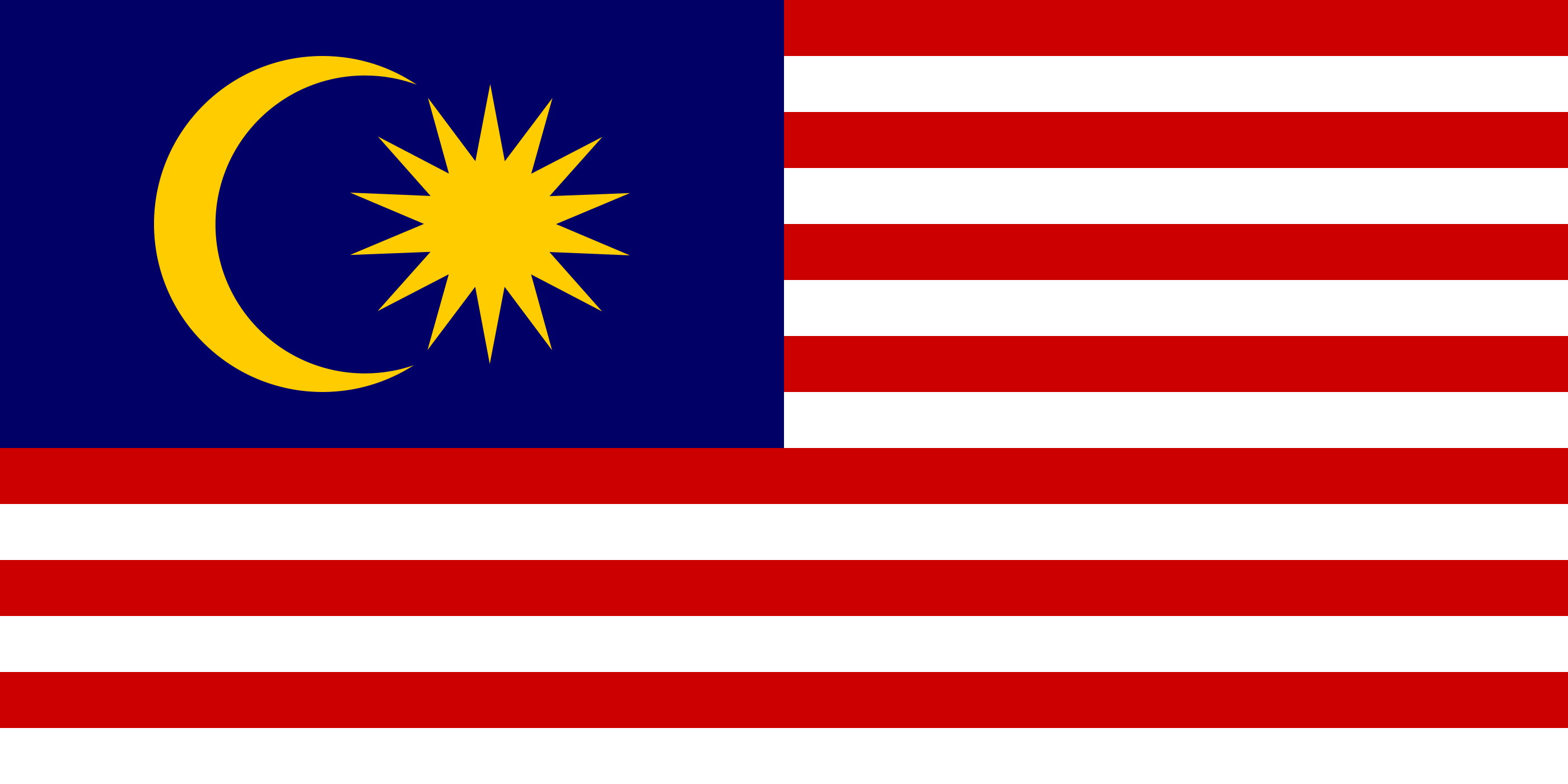
Malaysia is a federal constitutional monarchy in Southeast Asia made up of thirteen states and three federal territories. It is split by the South China Sea into two main regions: Peninsular Malaysia, which borders Thailand, and Malaysian Borneo, which borders Indonesia and Brunei. Its maritime boundaries reach Singapore, Vietnam and the Philippines. The country combines Malay, Chinese, Indian and Indigenous cultures, and that mixture shapes its visual culture, built environment and craft traditions.
- Form of government: federal constitutional monarchy
- Regions: Peninsular Malaysia and Malaysian Borneo
- Administrative divisions: 13 states and 3 federal territories
- Neighbouring countries: Thailand, Indonesia, Brunei; maritime borders with Singapore, Vietnam and the Philippines
- Why it matters for art and design: a crossroads of trade, migration and urban development with strong craft, street art and contemporary design scenes
Where is Malaysia, and what kind of country is it?
Malaysia sits on both sides of the South China Sea, which gives it a rare geography: one nation divided into two landmasses. Peninsular Malaysia includes the capital, Kuala Lumpur, and much of the country’s population and industry. Malaysian Borneo, made up of the states of Sabah and Sarawak, has large forested areas, distinct Indigenous communities and a different relationship to land, extraction and settlement.
That split matters in everyday life as much as on a map. Goods, people and images move between the two regions by air and sea, and the country’s visual identity often reflects this geography: dense cities, port environments, tropical vegetation, and the layered languages of public signage, packaging and street life.
How did Malaysia come to be?
Modern Malaysia emerged from British colonial rule in the mid-20th century. The Federation of Malaya became independent in 1957, and the larger federation of Malaysia was formed in 1963 with Sabah, Sarawak and Singapore; Singapore left the federation in 1965. The present-day state grew from this political history of federation, migration and trade rather than from a single cultural origin.
That background still shapes the country’s institutions and cities. Colonial planning left behind rail lines, civic buildings and shop-house districts, while post-independence development added highways, towers and planned suburbs. In design terms, Malaysia often shows the friction between inherited colonial infrastructure, vernacular building traditions and modern commercial development.
What does Malaysian visual culture look like?
Malaysia’s visual culture is not one style but a set of overlapping ones. In the built environment, this includes timber stilt houses, brick shophouses, mosques with regionally varied ornament, and contemporary high-rise architecture. In graphic and product design, bilingual and trilingual text is common, and public-facing design frequently combines Arabic, Roman and Chinese scripts depending on place and audience.
Craft remains important. Textiles such as batik and songket use wax-resist dyeing and metallic-thread weaving respectively, while woodcarving, metalwork and basketry continue in both commercial and ceremonial forms. These techniques do not sit apart from contemporary life; they appear in fashion, hospitality interiors, museum displays and souvenir production, often adapted for urban markets.
Why does Malaysia appear so often in art, photography and design?
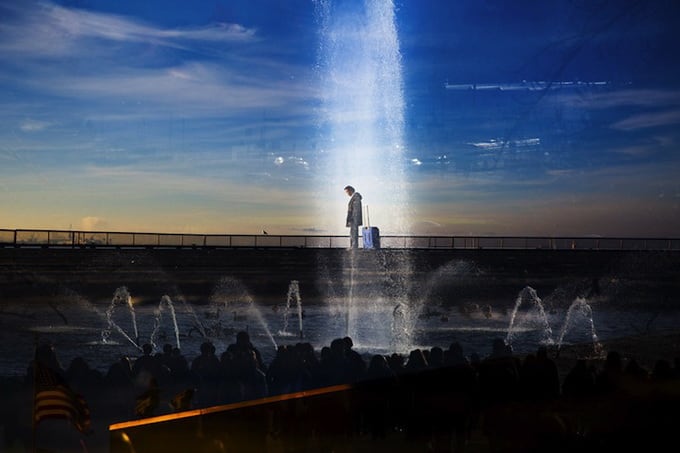
Malaysia gives artists and designers a wide range of subjects: tropical light, dense street texture, religious and ethnic diversity, rapid urban change and the visual contrast between heritage districts and speculative development. Photographers often focus on colour, humidity, reflected surfaces and crowded public space. Illustrators and painters use birds, foliage, domestic interiors and city scenes to capture a sense of place that feels both local and globally legible.
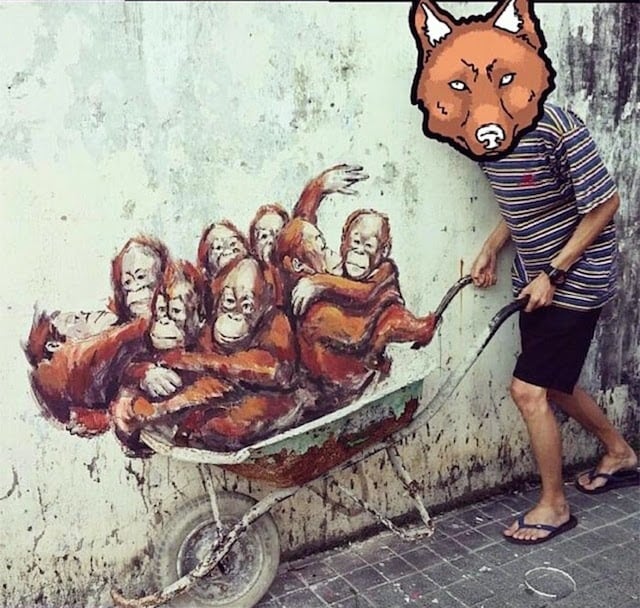
Contemporary art also engages with social questions, especially housing, labour, migration and land use. Galleries and public art projects in Kuala Lumpur, Penang, Johor and East Malaysia often sit near the very developments, markets and transport systems they examine. Street art, especially in heritage quarters such as George Town and Kuching, has become part of how the country is pictured to outsiders, though it also raises questions about tourism, preservation and authorship.
Frequently Asked Questions
Is Malaysia one place or two?
It is one country divided into two main landmasses. Peninsular Malaysia and Malaysian Borneo are separated by the South China Sea and have different geographies, population patterns and local histories. This split is not just administrative; it shapes transport, ecology and cultural life.
What materials and techniques are closely associated with Malaysia?
Batik and songket are two of the best-known textile traditions associated with the country. Batik uses wax resist and dye, while songket is woven with supplementary metallic threads for a dense, reflective surface. These techniques appear in clothing, ceremonial dress and contemporary fashion.
Why do so many FreeYork articles mention Malaysia?
Malaysia appears often because it is visually rich and fast-changing. It offers strong material for stories about illustration, photography, public art, architecture and design, from street murals in heritage districts to debates about housing and urban form. The country’s mix of cultures and building traditions makes it especially useful for visual analysis.
At a glance
- Address
- Malaysia
- Coordinates
- 3.133333, 101.7
Articles mentioning Malaysia