
New South Wales is a state on the south-east coast of Australia, with Sydney as its capital and largest city. It stretches from the border with Queensland down to Victoria, and west across inland country to South Australia. Its eastern edge meets the Tasman Sea. In design and visual culture, New South Wales matters because it contains Sydney’s studios, galleries, publishing houses and commercial interiors market, while also offering a long coastline, rural towns and bushland that supply recurring subjects and settings for photographers, artists and architects.
Stories from New South Wales
14 stories






About New South Wales
- Type: Australian state
- Country: Australia
- Capital: Sydney
- Largest city: Sydney
- Region: South-eastern Australia
- Known for: coastal cities, bushland, interior design, architecture, photography and surf culture
Read the full overviewWhat New South Wales includes, Why does New South Wales matter in Australian design and culture?, What does New South Wales look like in practice?, How is New South Wales used in stories about making?
What New South Wales includes
New South Wales combines dense urban life with varied landscapes. Sydney dominates the state’s cultural and economic life, but the state also includes the Blue Mountains, the Northern Rivers, the South Coast, the Hunter Valley and large inland agricultural districts. That range gives it a strong visual identity: polished city apartments and terrace houses sit alongside weathered beach houses, farmland, eucalyptus bush and long stretches of coast.
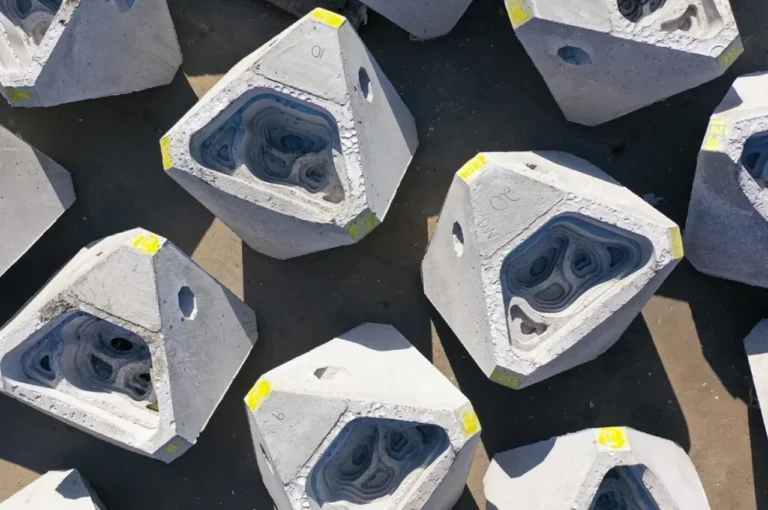
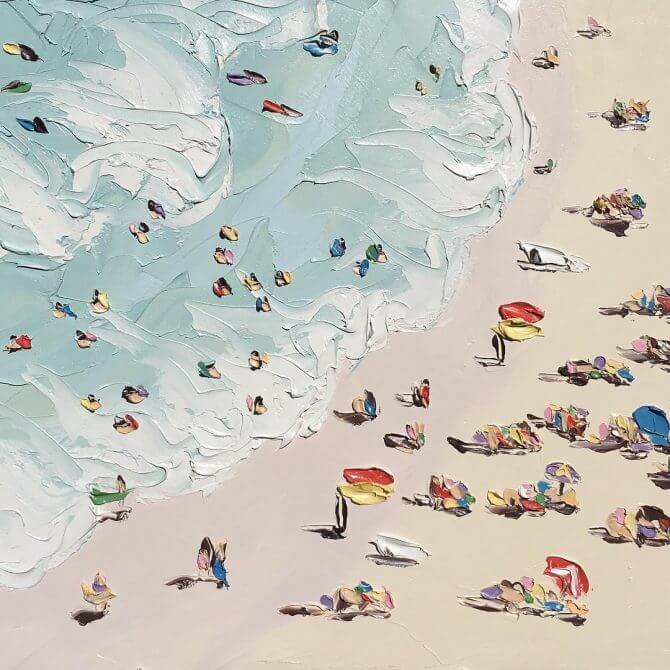
That variety shows up in how objects and spaces are made and pictured. A wallpaper installation in a coastal home, a surf photograph shot at dawn, a macro image of a mushroom from forest floor level, or an aerial view of the landscape all rely on the state’s mix of built and natural environments. New South Wales is less a single look than a set of recurring conditions that designers and image-makers return to.
Why does New South Wales matter in Australian design and culture?
New South Wales matters because it holds the country’s largest media and design hub. Sydney concentrates interior designers, architects, photographers, magazines and manufacturers, so many national visual trends pass through the state before spreading elsewhere. Residential renovation, hospitality fit-outs and product launches often appear first in Sydney or along the coastal strip where design culture, tourism and property markets overlap.
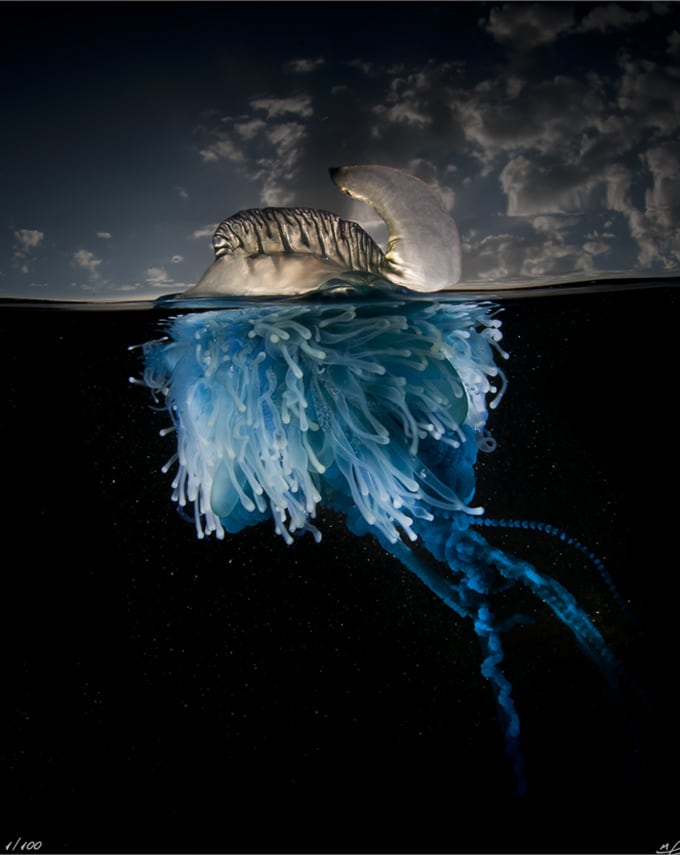
The state also shapes the content itself. Its beaches, storm systems, marine life and bushland have become familiar subjects in Australian photography, especially in landscape, surf and nature work. Artists and makers based in New South Wales often use local materials and conditions rather than importing a neutral style: timber weathered by salt air, concrete, terrazzo, ceramic tiles, limewashed walls and bright painted metal are all common responses to the climate and the built environment.
What does New South Wales look like in practice?
In practice, New South Wales can mean a pale coastal house with hard sunlight and breezes coming off the Tasman Sea; a compact Sydney apartment with carefully chosen colour, joinery and tapware; or a rural scene where texture matters more than finish. Photographers working in the state often emphasise water, horizon lines, cloud cover and the contrast between cultivated and wild ground. That makes the region useful for image-making because it offers both clarity and variation.
The state’s visual culture also carries traces of history. Sydney’s colonial architecture, later modernist buildings and contemporary developments sit close together, so the built environment often mixes older forms with current design language. In articles about interiors or architecture, New South Wales usually signals a setting where local climate, coastal light and urban density influence the final result.
How is New South Wales used in stories about making?
On FreeYork, New South Wales appears as a place where objects, images and interiors are made in response to setting. A renovation on the NSW coast, for example, is not just located there; it often uses coastal weather, light and material durability as part of the design brief. In photography, the state can function as a subject, a backdrop and a source of subject matter all at once.
That is why the state matters to a publication about how things are made. It is not just a political boundary on a map. It is a working environment with a distinct climate, a concentrated design economy and a strong visual vocabulary, all of which shape what gets built, photographed and published there.
Frequently Asked Questions
Is New South Wales just Sydney?
No. Sydney is the capital and the largest city, but New South Wales includes a wide range of other places, from coastal towns to inland farming regions and mountain areas. Many cultural and design stories come from Sydney, yet the state’s visual identity depends just as much on its beaches, forests and regional towns.
Why do designers and photographers keep returning to New South Wales?
The state offers strong light, varied terrain and a dense concentration of creative work in Sydney. Coastal houses, bush settings and urban interiors all sit within the same state, which gives makers many different visual problems and opportunities. That mix produces work that can feel distinctly Australian without looking uniform.
What is the connection between New South Wales and material culture?
Material culture in New South Wales often responds to climate and place. Salt air, sun, humidity and bushfire risk affect choices of timber, paint, stone, metal and glazing, while urban projects in Sydney tend to use refined finishes and compact planning. The result is a practical design language shaped by both coastal living and city life.