
Vilnius is the capital and largest city of Lithuania, and one of the main cultural and design centres of the Baltic states. Built in the southeast of the country at the confluence of the Vilnia and Neris rivers, it has long served as an administrative, commercial and artistic hub. Its layered urban fabric mixes a medieval old town, baroque churches, Soviet-era districts and newer architecture, which gives the city a wide visual range.
Stories from Vilnius
7 stories



About Vilnius
| Fact | Detail |
|---|---|
| Country | Lithuania |
| Role | Capital city; seat of national government and local administration |
| Region | Southeast Lithuania, in the Baltic region of Northern Europe |
| Population | About 535,000 in the city proper in the early 2010s; larger in the metropolitan county |
| Character | Historic old town, baroque architecture, contemporary creative scene |
Read the full overviewWhy Vilnius matters, What does Vilnius look like?, How is Vilnius tied to making and design?, How should Vilnius be understood in a FreeYork context?
Why Vilnius matters
Vilnius matters because it concentrates political power, publishing, education and creative work in one place. As the capital, it holds major institutions and attracts makers from across Lithuania and beyond. For visual culture, that matters in practical ways: studios, galleries, workshops, printers and photographers all benefit from the city’s density of clients, suppliers and collaborators.
The city also carries a strong sense of place in the Baltic region. Its architecture records changing empires and changing tastes: Gothic, Renaissance, baroque, neoclassical, modernist and post-Soviet buildings stand close together. That mix gives artists and designers a setting that feels historic without being frozen, which is why Vilnius appears often in photography, illustration, interior design and architectural work.
What does Vilnius look like?
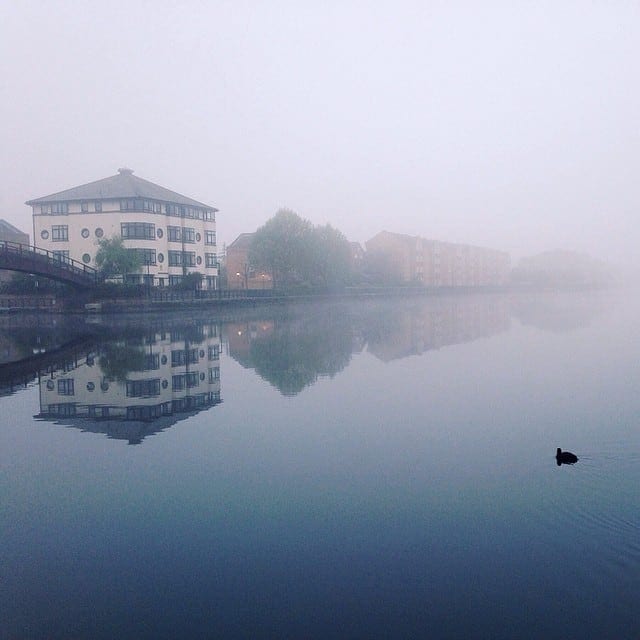
Vilnius is known for its old town of narrow streets, church towers and courtyards, much of it shaped by baroque rebuilding in the 17th and 18th centuries. The skyline is marked by domes, spires and bell towers rather than a single monumental centre. Beyond the historic core, the city opens into residential districts, industrial zones, parks and river edges, which creates a broad visual contrast inside a relatively compact urban area.
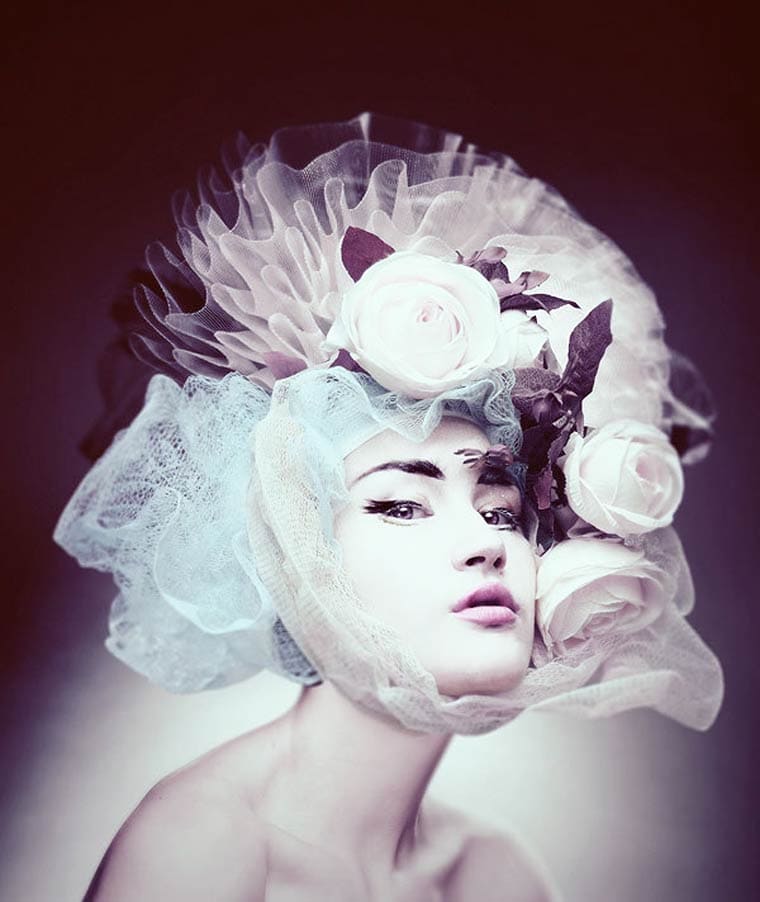
For artists and designers, that contrast is useful material. Clean modern interiors can sit beside ornate facades; forested edges and suburban calm can be captured just a short distance from dense civic streets. In practice, Vilnius is often photographed for its light, winter atmosphere and muted colour palette, but it also supports highly controlled studio work and contemporary product presentation.
How is Vilnius tied to making and design?
The city’s creative life has grown from its educational institutions, publishing culture and craft traditions. Textile, furniture, graphic and product design all have a visible presence, and many Lithuanian designers work from Vilnius because it connects local production with international visibility. The city’s workshops and suppliers support a smaller-scale, detail-conscious way of making that suits editorial, object and interior work.
Vilnius also appears frequently as a setting rather than just a subject. A photographed interior, a house in the forest edge near the city, or a fashion image made against its streets all use the city as visual context. In those cases, the place helps define mood: restrained, cool, carefully composed, and often attentive to material surfaces such as plaster, wood, linen, stone and glass.
How should Vilnius be understood in a FreeYork context?
For FreeYork, Vilnius is best understood as a working capital with a strong visual identity. It is not only a geographical label but a place where architecture, craft, photography and contemporary design intersect. That makes it relevant whenever an article needs to locate a maker, a studio or a project inside a specific Baltic urban culture.
The city’s significance lies in its everyday mix of administration and creativity. A house, object or image described as coming from Vilnius usually carries a sense of careful making, regional specificity and a close relationship to the built environment. It is a place where design is shaped as much by history and climate as by current trends.
Frequently Asked Questions
Is Vilnius an old city?
Yes. Vilnius has a long history and its old town is one of its defining features. The city developed over centuries as a political and religious centre, and many of its most distinctive buildings date from earlier periods of urban growth and rebuilding.
Why does Vilnius appear in art and design articles?
Vilnius appears often because it offers a distinctive urban setting and a strong creative scene. Its architecture, seasonal light and mix of historic and contemporary spaces make it useful for photography, illustration, interior work and architectural projects. The city also functions as a practical base for designers and artists working in Lithuania.
Is Vilnius more useful as a cultural or administrative reference?
Both matter, but in design writing the cultural side usually carries more weight. Its status as capital explains why so many institutions are there, while its streets, buildings and creative networks explain why it shows up in visual work. In a reference context, it helps to think of Vilnius as both a seat of government and a city with a highly visible design identity.