
Karlie Kloss is an American fashion model known for runway work, editorial shoots, and commercial campaigns. She became one of the most visible models of the 2010s, moving between high-fashion magazines, luxury brands, and more accessible retail images with unusual ease. Her career shows how a modern model can function as both an editorial presence and a recognizable public face for fashion brands.
Stories from Karlie Kloss
7 stories
About Karlie Kloss
- Full name: Karlie Elizabeth Kloss
- Born: August 3, 1992
- Nationality: American
- Field: Fashion modeling
- Known for: Runway, magazine editorials, advertising campaigns, and Victoria’s Secret work
Read the full overviewWhat made Karlie Kloss stand out?, How did she become a major model?, Why do magazines and brands keep using her?, What does her fashion image look like in practice?
What made Karlie Kloss stand out?
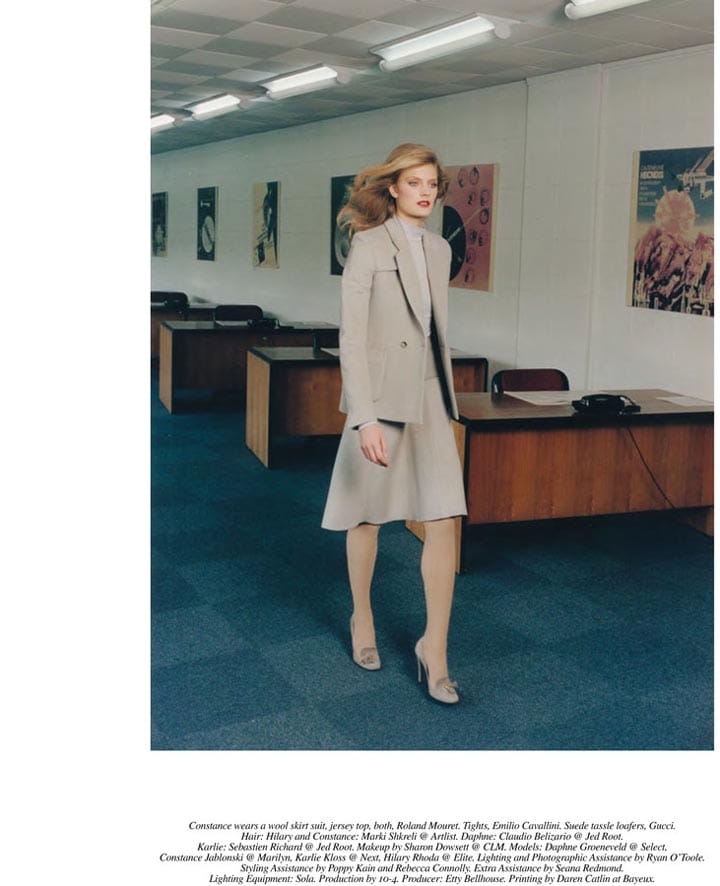
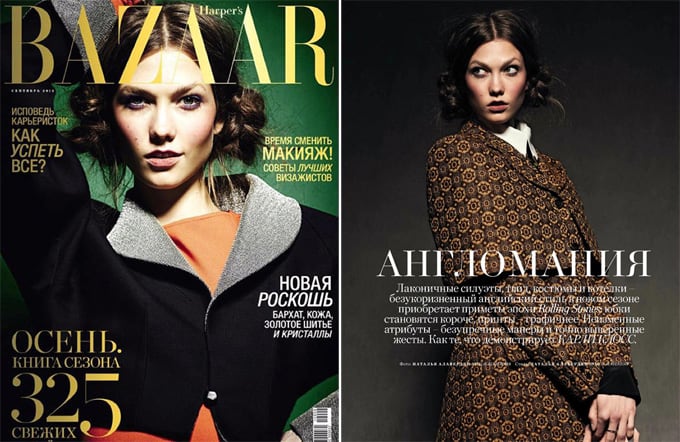
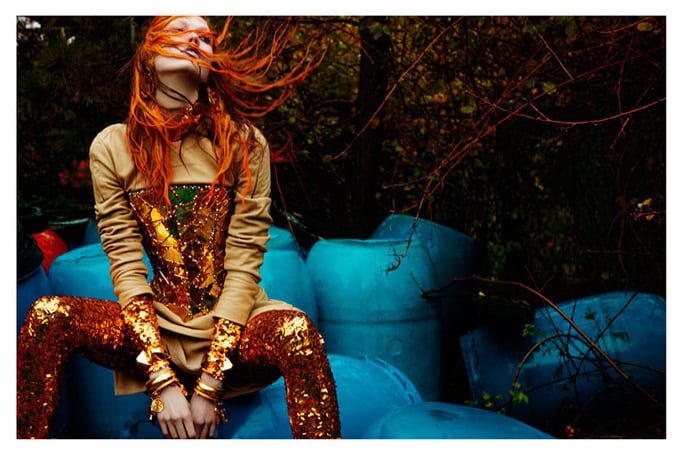
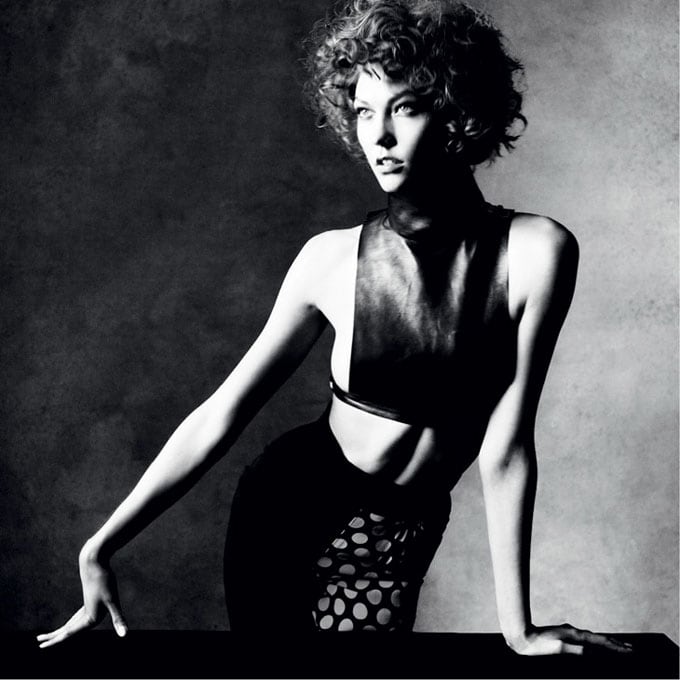
Kloss became known for a long, athletic frame, a clean facial structure, and a polished editorial style that could read as cool, glamorous, or highly commercial depending on styling. That flexibility helped her work across different sectors of the fashion industry instead of remaining tied to one niche. She appeared in magazines such as Vogue, Harper’s Bazaar, Numéro, and Self Service, often photographed in looks that emphasized sharp tailoring, strong makeup, or stylized simplicity.
Her image also fits a period when models were expected to move fluidly between print, runway, and brand campaigns. Kloss became one of the most recognizable faces of that moment because she could sell both avant-garde fashion and mainstream clothing. That range made her useful to editors, stylists, and advertisers alike.
How did she become a major model?
Kloss began modeling as a teenager and quickly entered the professional circuit of castings, shows, and magazine work. Early success in New York led to steady runway bookings and editorial placements, which built the visibility needed for international campaigns. Fashion clients value speed, reliability, and the ability to transform in front of a camera, and Kloss developed a reputation for all three.
Her rise also reflects the structure of the modeling business itself. A model usually gains momentum through repeated appearances in the right publications and for the right designers, then leverages that momentum into larger contracts. Kloss’s list of credits across high-fashion and commercial work shows that progression clearly.
Why do magazines and brands keep using her?
Kloss photographs well in a wide range of settings. She can carry severe, editorial imagery as well as softer, more approachable fashion pictures. That makes her valuable to magazines looking for a model who reads clearly on the page and to brands needing a face that feels premium without alienating a broad audience.
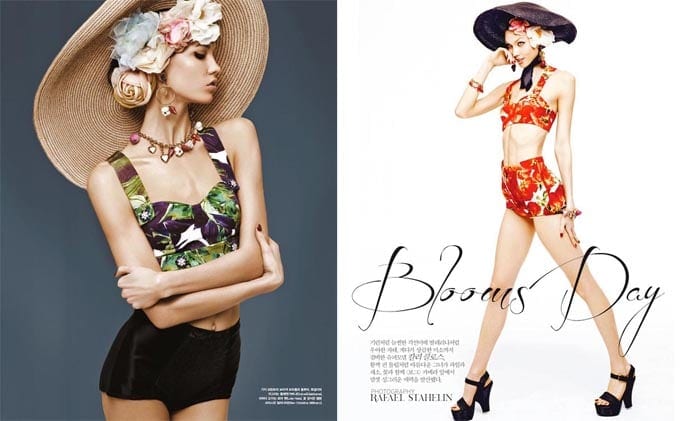
Her work for publications such as Vogue Korea, Vogue Russia, and Numéro shows how international fashion media used her as a repeat subject. In practice, that means editorials with distinct styling choices: crisp lighting, controlled poses, and clothes chosen to make the model’s body and expression part of the image’s structure. In campaigns and retail shoots, the same face could be presented with more direct advertising clarity, often with cleaner backgrounds and simpler styling.
What does her fashion image look like in practice?
Kloss is often photographed in clothes that stress line and proportion: long coats, fitted dresses, tailored separates, and minimal but precise styling. In editorials, the emphasis may shift to attitude and movement, with a model’s pose becoming part of the design language of the spread. In commercial fashion, the look is usually more legible, with a crisp focus on the garment and a confident, approachable expression.
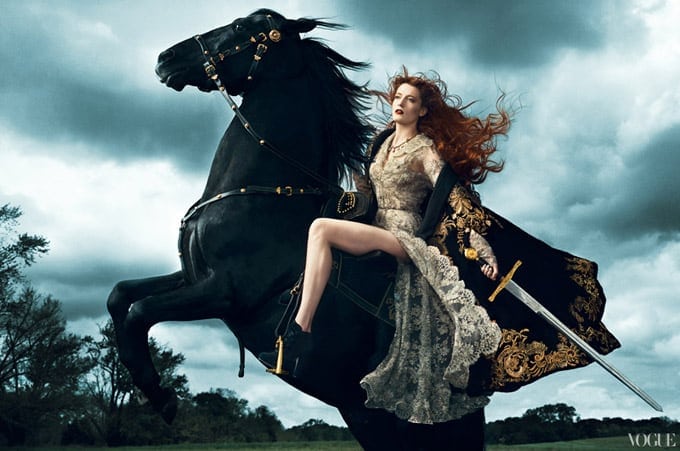
Her appearance in projects like the Vogue September 2012 issue and the Harper’s Bazaar Russia September 2012 issue shows the range of that visual role. She can be placed inside an editorial concept, or she can function as the central selling point of a campaign. That dual function is central to how contemporary fashion modeling works.
Frequently Asked Questions
Is Karlie Kloss mainly a runway model or a magazine model?
She has done both, and her career depends on that combination. Runway work builds fashion credibility, while editorial and campaign work build public recognition. Kloss became significant because she could move between those settings without losing a clear identity.
Why is she mentioned so often in fashion publications?
Editors and stylists use familiar models to anchor an image quickly. Kloss brings a recognizable look and a history of high-profile fashion work, which makes her an efficient choice for covers, editorials, and brand stories. Her name signals a professional fashion context immediately.
What kind of fashion does she usually represent?
She is often associated with polished, contemporary fashion rather than a single aesthetic school. That can include luxury tailoring, glossy commercial clothing, or minimalist editorial styling. The common thread is clarity: the image usually depends on her composed presence and clean presentation of the clothes.