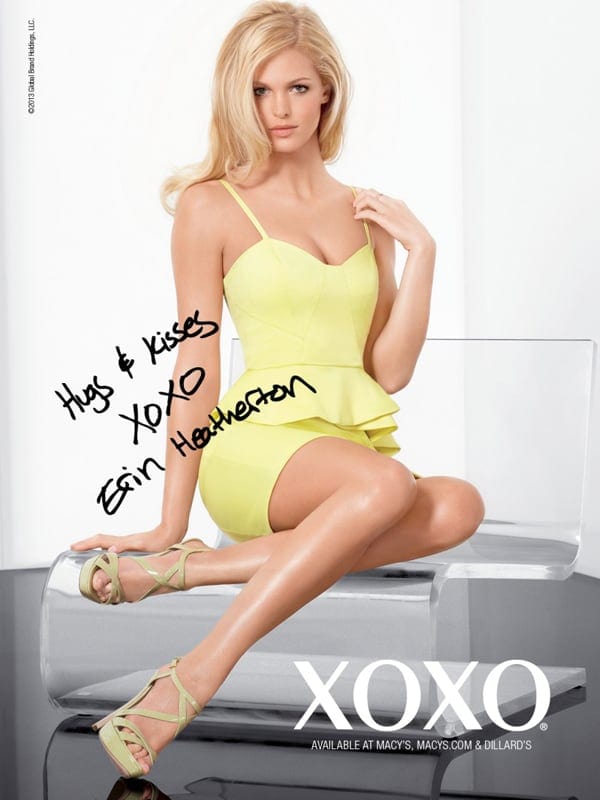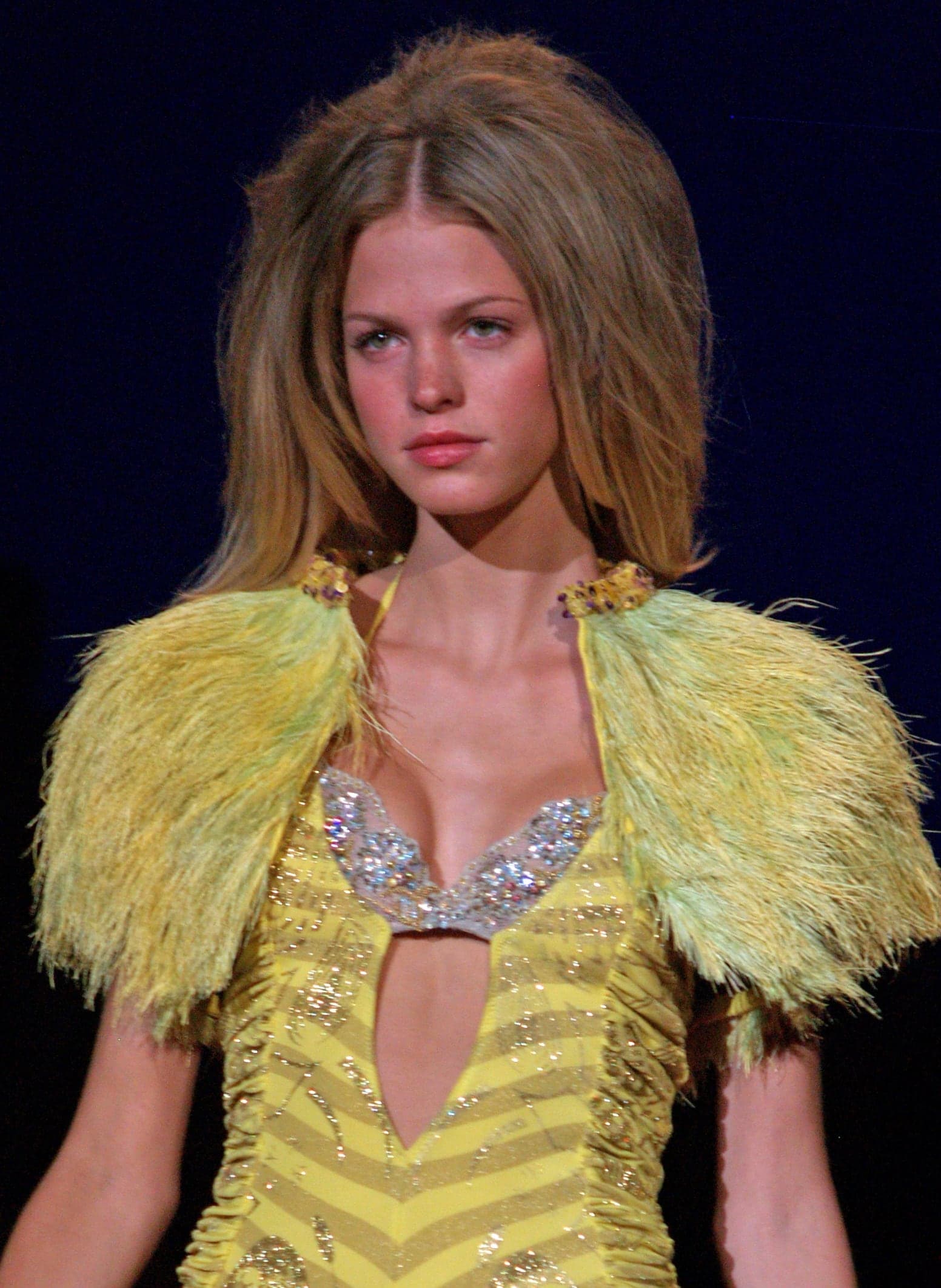
Erin Heatherton is an American fashion model known for commercial runway and campaign work in the late 2000s and 2010s. Born Erin Heather Bubley in 1989, she built her public profile through editorial shoots, brand campaigns, and especially lingerie and denim advertising, where casting often favors a polished but approachable image.
| Born | March 4, 1989, in Skokie, Illinois, United States |
|---|---|
| Also known as | Heatherton |
| Field | Fashion modeling |
| Known for | Runway work, editorial modeling, lingerie campaigns, denim advertising |
| Active period | 2000s–2010s |
How Erin Heatherton became known
Heatherton entered fashion as a model rather than as a designer, stylist, or photographer, which places her role on the presentation side of the industry. Models like Heatherton are hired to embody a brand’s image through posture, face, body language, and movement. That makes their work central to how clothing is read, especially in campaigns where fit, drape, and attitude matter as much as the garment itself.
Her career grew during a period when fashion brands increasingly used models across print, runway, lookbooks, and promotional imagery. This kind of cross-platform modeling requires consistency: the same person may need to project glamour in one shoot, ease in another, and athletic energy in a denim campaign. Heatherton’s work fits that commercial versatility.
What kinds of work is she associated with?
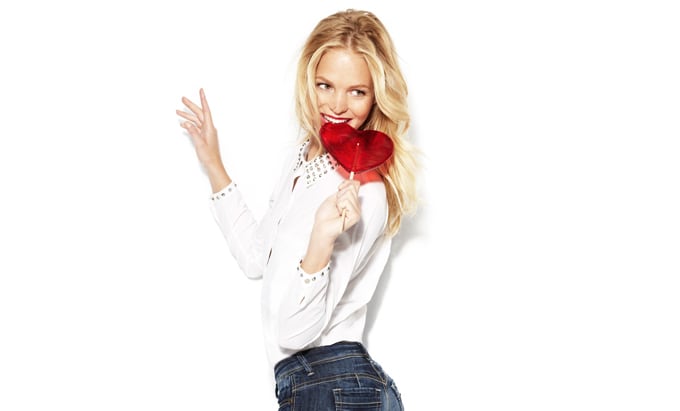
Heatherton is most often associated with fashion campaigns that sell clothing through a clear, accessible persona. That includes lingerie and denim, two categories where the model’s body, pose, and expression do a great deal of the advertising work. In these settings, fabric choice, cut, and styling become legible through the model’s stance and movement.
Her appearances in projects such as XOXO 2013 and SuiteBlanco We Love Jeans Fall 2012 show the kind of commercial image-making she was hired for. These campaigns are not simply portraits. They are structured visual arguments about how the clothes should feel: casual, youthful, sleek, or wearable. The model gives those claims a human form.
Why fashion modeling matters
Fashion modeling shapes how garments are seen before anyone wears them in everyday life. A model translates design into a visual language that consumers, editors, and buyers can read quickly. In that sense, a successful model is part performer, part display surface, and part branding tool.
Heatherton’s career sits within a broader system of fashion labor that is often visible but not always explained. The model does not invent the clothes, but the model controls how the clothes register in photographs and on the runway. That influence matters in commercial fashion, where image can determine whether a product looks aspirational, practical, provocative, or ordinary.
What does her work look like in practice?
In practice, modeling work is built around pose, repetition, and direction. A campaign shoot may require many takes of the same garment from slightly different angles so that the photographer, art director, and client can choose the best image. Small changes in hand placement, chin angle, or stride can change the feel of the final picture.
For a model like Heatherton, the result is usually a controlled, polished image rather than a highly stylized character study. That clarity is useful in retail advertising, where the clothes need to remain readable. The best images make the garment look desirable without hiding it behind concept or excess staging.
Frequently Asked Questions
Is Erin Heatherton a runway model or a commercial model?
She is primarily known as a fashion model with strong commercial campaign visibility. That usually means work that bridges runway, editorial, and advertising rather than one narrow lane. Her assignments show how many models move across those categories in modern fashion.
What does her appearance in denim or lingerie campaigns indicate?
It shows that brands saw her as suited to direct, body-conscious advertising. Denim campaigns often rely on ease, movement, and a clean silhouette, while lingerie campaigns depend on poise and confidence. Both ask the model to communicate the product’s fit and mood quickly.
Why is she mentioned on fashion publication pages?
Names like Heatherton appear in articles because fashion imagery is built from people as much as from clothes. A model helps define the look and tone of a campaign, so the person becomes part of the work’s identity. In archive and editorial contexts, that makes the model worth identifying in her own right.
Articles mentioning Erin Heatherton