
Hipster is a contemporary urban subculture associated with independent music, secondhand or niche fashion, ironic taste-making, and a preference for cultural products outside the mainstream. It emerged in the 1990s and became especially visible in the 2000s and 2010s, when its look and habits were widely copied, mocked, and commodified. The label usually describes style and taste more than a fixed ideology, though it often overlaps with liberal politics, secular attitudes, and interest in alternative lifestyles.
Stories from Hipster (contemporary subculture)
14 stories







About Hipster (contemporary subculture)
- It began as a loose youth and young-adult subculture in cities, especially among educated middle-class people.
- Its style draws on thrifted clothes, vintage workwear, beards, glasses, denim, boots, and carefully casual grooming.
- Its cultural markers include indie rock, small magazines, independent film, design blogs, and music sites such as Pitchfork Media.
- The term often carries irony: it can be used admiringly, neutrally, or as a criticism of trend-chasing and self-conscious taste.
- Because it spreads through consumption, the look is easy to imitate and hard to pin to one stable membership or politics.
Read the full overviewWhere did the hipster come from?, What does hipster style look like?, Why did it matter culturally?, Why is the term often used as an insult?
Where did the hipster come from?
The word hipster did not start in the 1990s. Earlier uses, especially in mid-20th-century American slang, referred to people immersed in jazz culture and trying to stay “hip” to new styles and scenes. The contemporary subculture borrowed the term but changed its content. By the 1990s, it described young adults clustering around independent music venues, small labels, zines, used-clothing shops, and urban neighborhoods undergoing cultural change.
That new hipster culture formed partly from thrift and necessity. Vintage clothing, secondhand furniture, and older bicycles or cameras were cheaper than new designer goods, but they also signaled distance from mass-market taste. As the style gained attention, its look became more polished and deliberate, turning practical reuse into a recognizable aesthetic.
What does hipster style look like?
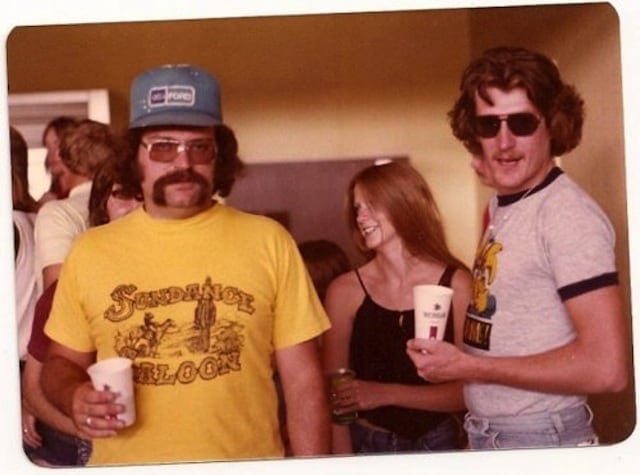
Hipster style is less a uniform and more a set of repeated cues. Common elements include narrow jeans, work shirts, flannel, boots, worn sneakers, thick-framed glasses, mustaches or beards, and accessories that suggest irony or handmade craft. Women’s and men’s versions often mix vintage references with current streetwear, creating an intentionally unstudied appearance that usually takes work to assemble.
The material choices matter. Denim, canvas, wool, leather, and thrifted cotton shirts appear often because they age well and carry visible wear. The look depends on layering and contrast: old with new, rough with refined, practical with self-aware. In practice, that can mean a 1970s jacket worn with contemporary sneakers, or a classic bicycle paired with a carefully curated outfit.
Why did it matter culturally?
Hipster culture mattered because it helped shape how cities and digital media organized taste. It gave prominence to independent labels, microbreweries, specialty coffee, design-forward bars, record stores, and online platforms that reviewed or curated music and culture. Sites and magazines associated with the scene did not merely report trends; they helped set them.
The subculture also changed how class and authenticity were discussed. It made shopping, listening, and dressing into signals of discernment, but it did so in a way that often denied obvious status-seeking. That tension became one of its defining features: a carefully made identity that insists it is not trying too hard.
Why is the term often used as an insult?
Hipster quickly acquired a mocking edge because it seemed to reward exclusivity, irony, and performance. Critics used it for people who appeared to adopt underground culture mainly as a style choice, especially when that style was reproduced in commercial form. Once brands, malls, and fast-fashion chains learned the look, the term could imply that a supposedly anti-mainstream scene had become another market segment.
Still, the label is slippery. Many people described as hipsters rejected the term, and many of the habits associated with it—thrifting, independent music, local food, fixed-gear bicycles, beards, artisanal goods—also appear outside the subculture. The word often says as much about the speaker’s attitude toward taste and class as it does about the person being named.
Frequently Asked Questions
Is a hipster the same thing as a trend follower?
Not exactly. A hipster usually presents as someone who avoids obvious mainstream trends, but the subculture can become a trend itself. That is why the label is often used with irony: it describes people who want to seem ahead of fashion while also showing their difference from mass culture.
What kinds of media are associated with hipster culture?
Independent music is central, especially indie rock, experimental pop, and other scenes outside major-label promotion. Print and digital culture matter too, including small magazines, blogs, photo-sharing platforms, and music criticism sites. Independent film, design-led publications, and curated social media accounts also fit the pattern.
Is hipster culture still current?
As a named subculture, it peaked in visibility in the 2000s and early 2010s, but many of its tastes remain active. Thrifted fashion, specialty coffee, beards, minimalist design, and indie cultural consumption are now common enough that they no longer signal one single scene. The term survives mostly as shorthand, critique, or nostalgia.