Autodidacticism is self-directed learning carried out without a formal teacher or classroom. An autodidact teaches themselves by reading, observing, copying, practicing, and correcting their own work. The term covers a broad range of habits, from a designer learning software from manuals and tutorials to an artist building technique through repeated studio experiments.
- It describes a method of learning, not a field of study.
- Autodidacts often rely on books, libraries, archives, workshops, and online resources.
- The process can begin at any age and in any discipline.
- In creative work, self-teaching often shows up as hybrid styles, close study of materials, and trial-and-error technique.
- It differs from informal learning because it is usually deliberate and self-planned.
What autodidacticism means
Autodidacticism comes from the Greek roots autos and didaktikos, meaning “self” and “teachable.” It names the act of learning independently, with the learner choosing the subject, pace, and sources. A self-taught person may still borrow from teachers, peers, museums, manuals, or videos, but the direction of study remains self-managed.
The idea matters because it captures a common way people enter creative and technical fields. A person may not have access to formal training, or may simply prefer to build knowledge through direct practice. In visual culture, that can produce work that feels intensely personal, because the maker has assembled methods from many places rather than following one school.
How does a self-taught practice work?
Autodidacticism usually depends on repetition and close observation. A self-taught painter may study color theory from books, watch demonstrations, then test pigments on paper until the handling feels natural. A tattoo artist may learn needle depth, line weight, and skin response through supervised practice, then refine those skills through independent study. The same pattern appears in digital art, ceramics, printmaking, film, and fashion: gather information, test it, revise, and repeat.
Because there is no single curriculum, the path often looks uneven. Autodidacts may skip some basics and overdevelop others, which can lead to striking results or frustrating gaps. That unevenness is part of the form. It often produces work shaped by obsession, patience, and a strong sense of personal problem-solving rather than institutional standards.
Why does autodidacticism matter in art and design?
Self-teaching has long been important in creative fields where access to training, equipment, or institutions has been limited. It has also mattered in disciplines that reward experimentation more than certification. Many artists build their methods from fragments: a museum visit, a borrowed book, a studio conversation, a technique discovered by accident, or a tutorial found online. The final practice can become more distinctive because it was assembled manually, piece by piece.
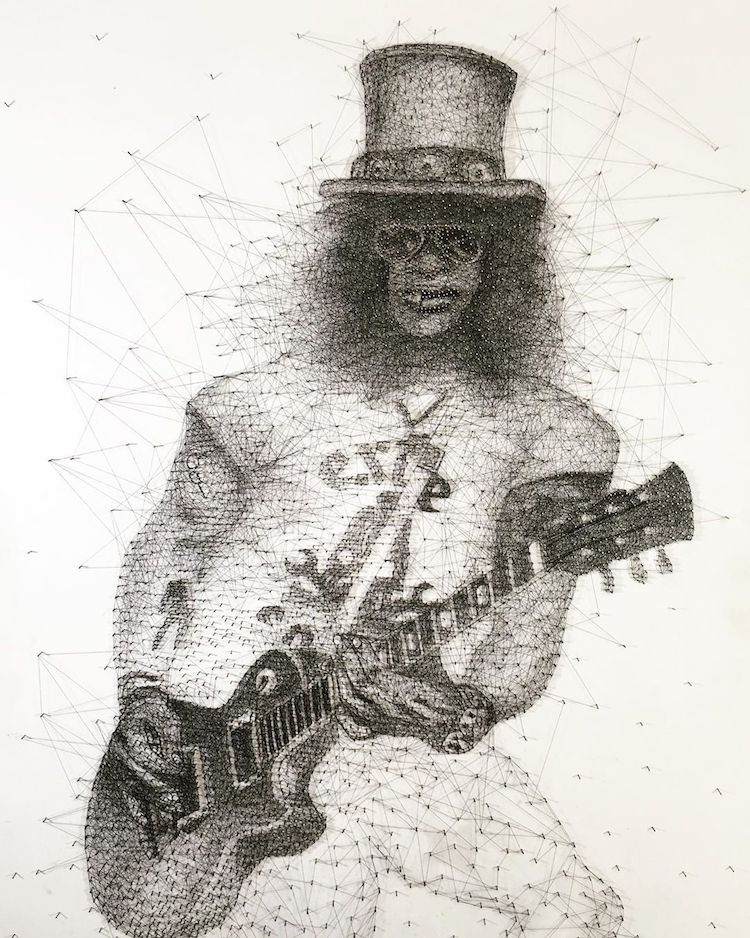
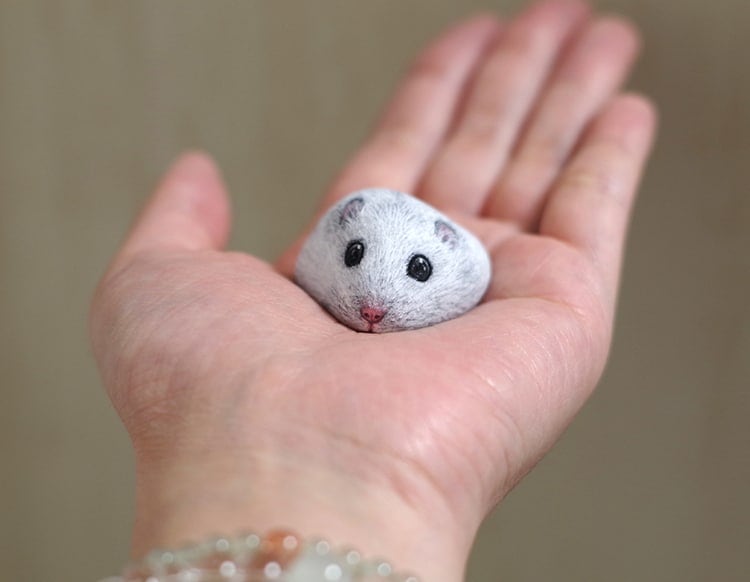
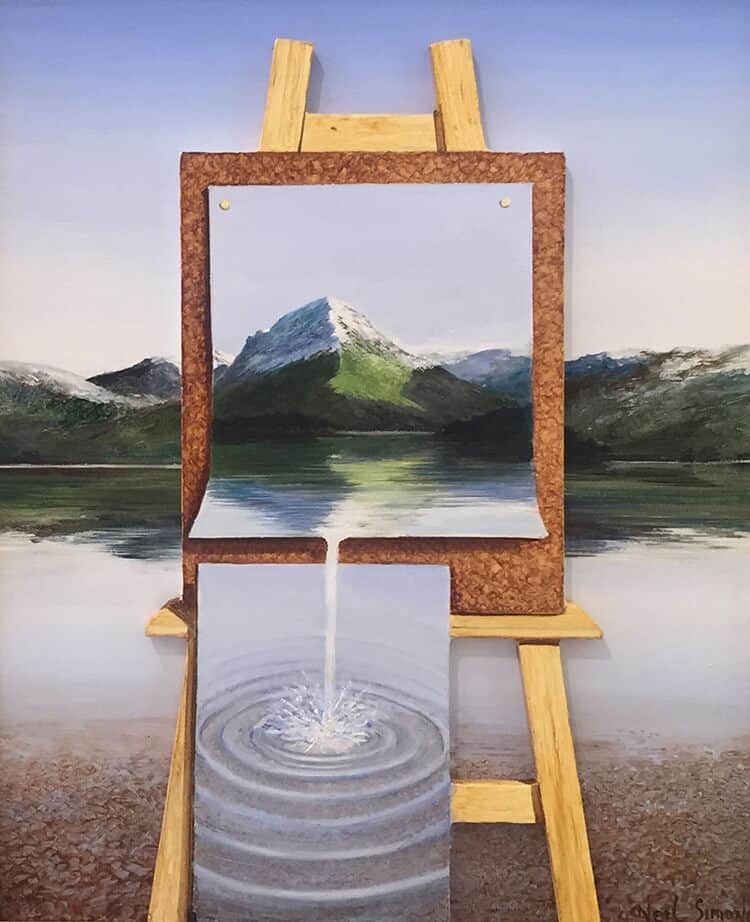
For makers, autodidacticism is often visible in the finished object. A self-taught illustrator might combine watercolor, collage, and digital compositing in ways that do not follow academic rules. A craftsperson may adapt traditional techniques to new materials because no instructor set boundaries around the work. The result is not necessarily less disciplined than formal training; it is disciplined differently.
What does autodidacticism look like in practice?
In practice, autodidacticism often begins with access to sources rather than instruction. Libraries, archives, exhibition catalogues, manuals, forums, and video demonstrations become the raw material of study. Many self-taught makers keep notebooks, copies, and reference folders, then return to the same source repeatedly while building a technique. This can be slow work, but the slow pace often helps the maker understand why a method works, not just how to repeat it.
In contemporary visual culture, the internet has made autodidacticism more visible but not necessarily easier. Tutorials can shorten the first stage of learning, yet true self-teaching still requires judgment: choosing what to trust, what to adapt, and what to reject. That is why autodidactic work often carries a distinct mix of imitation and invention. It may begin with copying, but it becomes original through sustained correction and use.
Frequently Asked Questions
Is autodidacticism the same as informal learning?
No. Informal learning can happen incidentally, through daily life, conversation, or observation, without a deliberate plan. Autodidacticism is more intentional: the learner sets a goal and actively studies toward it. The two overlap, but autodidacticism usually involves a clearer sense of method.
Can someone be both formally trained and autodidactic?
Yes. Many artists and designers have formal education in one area and teach themselves another technique later. A trained painter may learn animation independently, or a textile designer may self-study coding and digital fabrication. Autodidacticism describes how a subject is learned, not a permanent identity.
Why do self-taught makers often develop distinctive styles?
Because their methods are assembled from many partial sources rather than inherited from one institution. They may combine references, tools, and techniques in ways that would not appear in a standard curriculum. That can create fresh results, but it can also produce uneven workmanship, which is why self-teaching often depends on long periods of correction and practice.
Articles mentioning Autodidacticism