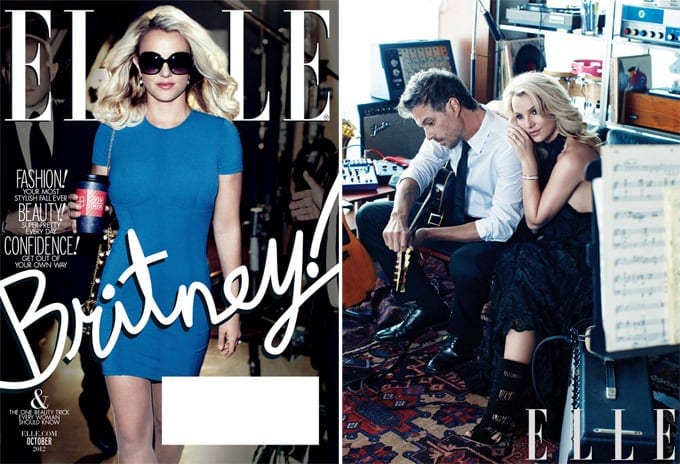
Britney Spears is an American singer, performer, and public figure whose pop career helped define late-1990s and early-2000s mainstream music and celebrity style. She first came to prominence as a teenager, moved from child performance work into a recording contract with Jive Records in 1997, and then built a career around polished dance-pop, tightly staged touring, and an image that was constantly recycled in fashion media.
- She began as a child performer in stage shows and television before becoming a recording artist.
- Her early singles and albums set a template for glossy, high-budget pop built around choreography, hooks, and image control.
- She became a major fashion reference point, especially for late-1990s and Y2K styling.
- Her career is closely tied to the public handling of fame, media scrutiny, and personal autonomy.
- She remains a recognizable marker of a specific pop era rather than just a hitmaker with a short run.
How Britney Spears became a pop star
Spears was born in 1981 in Mississippi and raised in Kentwood, Louisiana. As a child, she worked in stage productions and television, which gave her early experience in performance, timing, and camera-facing presentation. After signing with Jive Records in 1997, she was positioned as a teen-pop act with a clean visual identity: school-uniform references, coordinated choreography, and songs built for radio and television promotion.
That formula worked quickly. Her debut era turned her into one of the most visible young stars in American pop, and the next few years made her a global celebrity. Her career mattered not only because of sales and chart success, but because it showed how tightly music, styling, publicity, and choreography could be fused into a single commercial image.
Why did Britney Spears matter to fashion and visual culture?
Spears became a shorthand for late-1990s pop styling. Cropped tops, low-rise jeans, sparkly performance outfits, body-conscious dresses, denim-on-denim looks, and glossy makeup became associated with her public image. She was photographed, styled, and discussed as a moving target for trends, which made her an unusually visible reference point for magazines, advertisers, and later internet nostalgia.
Her impact lasted because the image was so distinct and so easy to imitate. Costume and street style borrowed from her videos, tour looks, and red-carpet appearances, then fed those references back into mainstream fashion. In effect, she helped normalize a version of celebrity style that depended on repetition: a look appeared in a music video, then on magazine covers, then in mall fashion, then in retro revival pieces years later.
What did her work look like in practice?
Spears’s music and performance style relied on precision. Her biggest records were built from concise pop songwriting, heavily produced arrangements, and choreography designed to read clearly on television and in arenas. The visual side was as controlled as the sound: costumes emphasized movement, hair and makeup reinforced a youthful but polished image, and music videos often presented a strong central character rather than a loose narrative.
That approach made her an important example of how pop stars are made through collaboration. Songwriters, producers, stylists, choreographers, video directors, photographers, and label teams all shaped the final product. Spears’s career is useful as a case study in mass-market image production, where the performer, the garment, and the camera are treated as parts of the same system.
What is her legacy now?
Spears’s legacy includes both the music itself and the culture built around it. Her work remains a reference point for pop production, dance-pop performance, and the visual language of 2000s celebrity. At the same time, public attention to her private life changed how many audiences talked about fame, control, and the pressures placed on female performers.
For design and visual culture, she matters because her image keeps returning in revival cycles. Fashion collections, editorial shoots, social media memes, and costume references still draw on her early-2000s wardrobe and stage persona. That ongoing reuse shows how a pop star can become part of the archive of style, not just the history of music.
Frequently Asked Questions
Was Britney Spears only important as a singer?
No. Her significance extends beyond recording success into choreography, music video direction, celebrity styling, and the broader visual grammar of pop stardom. She became one of the clearest examples of how a pop performer can shape fashion and image at the same time.
Why is Britney Spears often linked to late-1990s fashion?
Her early public image matched the styling of the period: youthful, glossy, and heavily branded by denim, crop tops, and performance wear. Those looks were widely photographed and reproduced, so they became part of the visual memory of the era.
What makes her career important to media history?
Her rise and later public scrutiny show how modern celebrity is built through constant image circulation. Music videos, magazines, television, and online commentary all amplified her presence, making her a major figure in the shift from pop star to fully mediated public persona.
Articles mentioning Britney Spears