Valentino SpA is an Italian luxury fashion company known for couture, ready-to-wear, accessories, fragrances, and a highly recognisable red-carpet image built around the Valentino name. Founded in Rome in 1959 by Valentino Garavani and Giancarlo Giammetti, the company grew from a designer label into a global fashion house with a headquarters in Milan and boutiques across Europe, the Middle East, North America, South America, Australia, and Asia.
- Founded in 1959 by Valentino Garavani and Giancarlo Giammetti
- Luxury fashion house based in Milan, Italy
- Makes couture, ready-to-wear, accessories, and fragrance
- Known for a polished, glamorous aesthetic and heavy editorial use
- Owned by the Marzotto Group since 2008
Where did Valentino SpA come from?
Valentino began in Rome, where Garavani built a reputation for formal elegance, sharp tailoring, and evening clothes that appealed to clients looking for glamour with discipline. The business expanded quickly because it sold not only garments but a complete image: polished dresses, precise finishing, and a strong brand identity anchored in the signature Valentino red.
Giancarlo Giammetti played a central role in turning that aesthetic into a functioning company. He helped shape the business side of the label, and together the founders developed Valentino into one of the best-known names in European luxury fashion. The company later moved its headquarters to Milan, the main industrial and commercial centre of Italian fashion.
What does Valentino make?
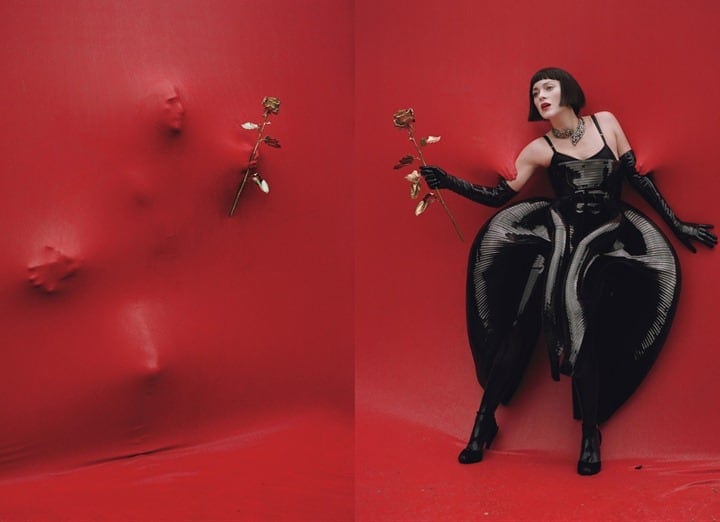
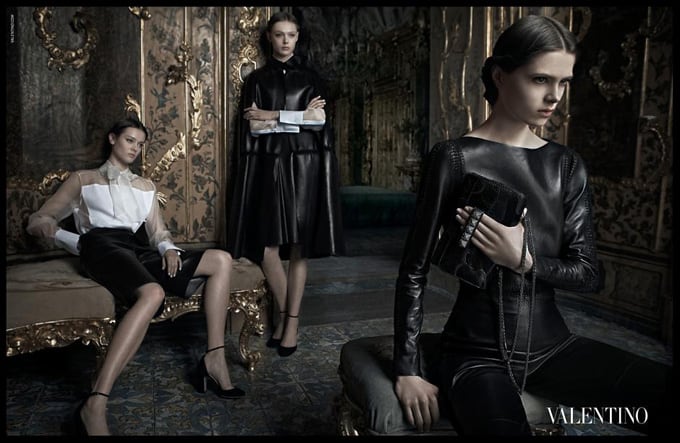
Valentino SpA produces couture and ready-to-wear clothing, along with handbags, shoes, eyewear, and fragrances. In practice, that means hand-finished eveningwear sits alongside more commercially scaled products that carry the same branding and visual language. The company’s work often shows up in editorial fashion photography because its clothes are designed to read clearly in images: strong silhouettes, luxurious fabrics, and a high level of surface detail.
The house is especially associated with red-carpet dressing, where drape, embellishment, and fine tailoring matter as much as the cut itself. Its garments often use silk, lace, wool, and embellished textiles, with construction that depends on pattern cutting, sewing, embroidery, and fitting at a high level of precision. That balance of craft and spectacle is central to how the label operates.
Why does the brand matter in fashion photography?
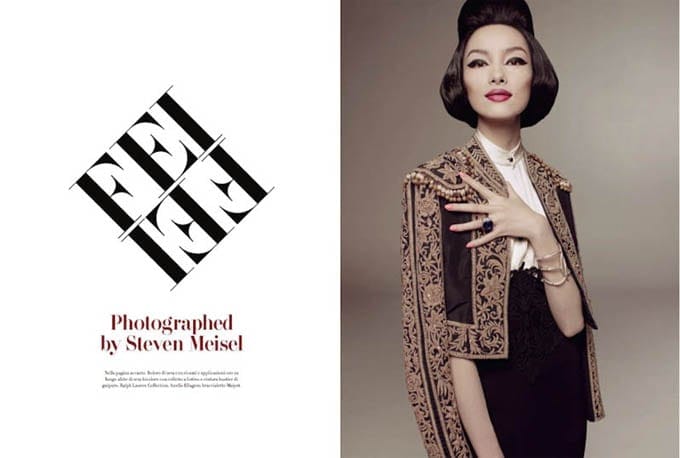
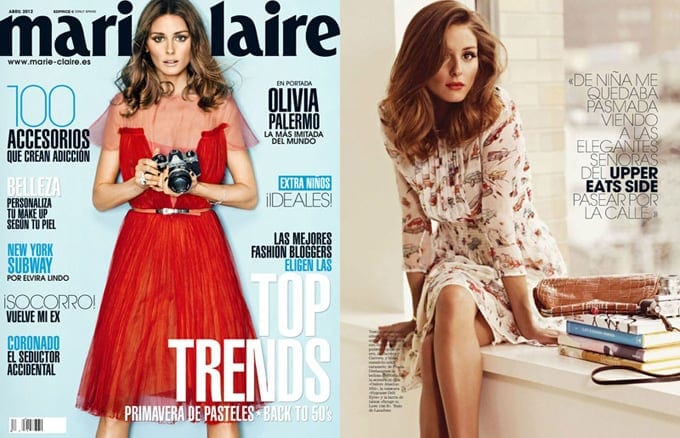
Valentino appears often in magazines because it photographs well. The clothes usually communicate status, refinement, and theatricality without needing much context, which makes them useful for covers, advertising campaigns, and celebrity portraiture. A Valentino dress can do a lot of visual work in one frame: signal luxury, suggest old-world glamour, and still feel current.
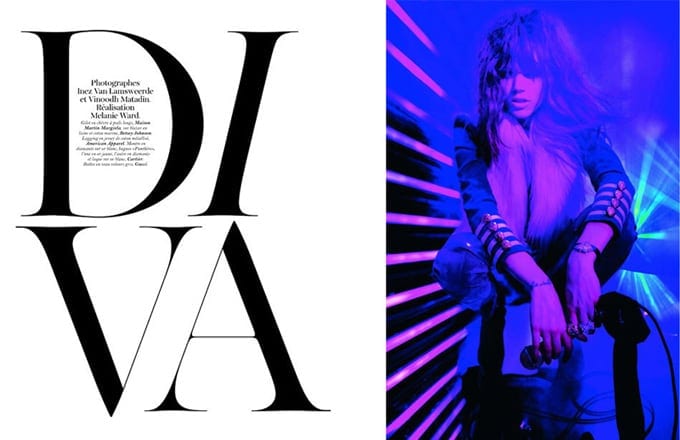
That visibility also made the brand part of the broader system of fashion image-making. Photographers, stylists, and editors have long relied on houses like Valentino to supply clothes that hold attention at magazine scale. The label’s designs are not neutral wardrobe pieces; they are meant to project a specific identity, which is why they recur in high-fashion shoots.
Who has shaped the company over time?
After the founders established the house, Valentino SpA went through changes in ownership and creative direction. The company passed to the Marzotto Group in 2008, but the Valentino name remained the core of the brand. Creative leadership shifted as well, with designers stepping in to interpret the house style for new audiences and markets.
These transitions matter because luxury fashion houses are not static brands. Their value depends on maintaining a recognisable hand while refreshing the product enough to stay relevant. Valentino has done that by preserving a strong formal identity even as it adapts to changing tastes in celebrity dressing, accessories, and global retail.
Frequently Asked Questions
Is Valentino SpA the same thing as Valentino Garavani?
No. Valentino Garavani is the designer who founded the house, while Valentino SpA is the company that developed around his name and work. The label uses his surname as a brand identity, but the business itself is a separate corporate entity.
Why do fashion editors and photographers use Valentino so often?
Valentino garments are made to read clearly in photographs. The cuts, fabrics, and finishes create strong visual impact, which helps on covers, in editorials, and in advertising. The brand also carries an established association with luxury, so its clothes instantly communicate a particular level of polish.
What kind of luxury is Valentino known for?
Valentino is associated with formal elegance, especially couture, gowns, and event dressing. Its style leans toward refined glamour rather than restraint or streetwear utility. The signature red, the careful tailoring, and the emphasis on surface beauty all contribute to that image.
At a glance
- Founded
- 1959
- Address
- Milan, Italy
Articles mentioning Valentino SpA