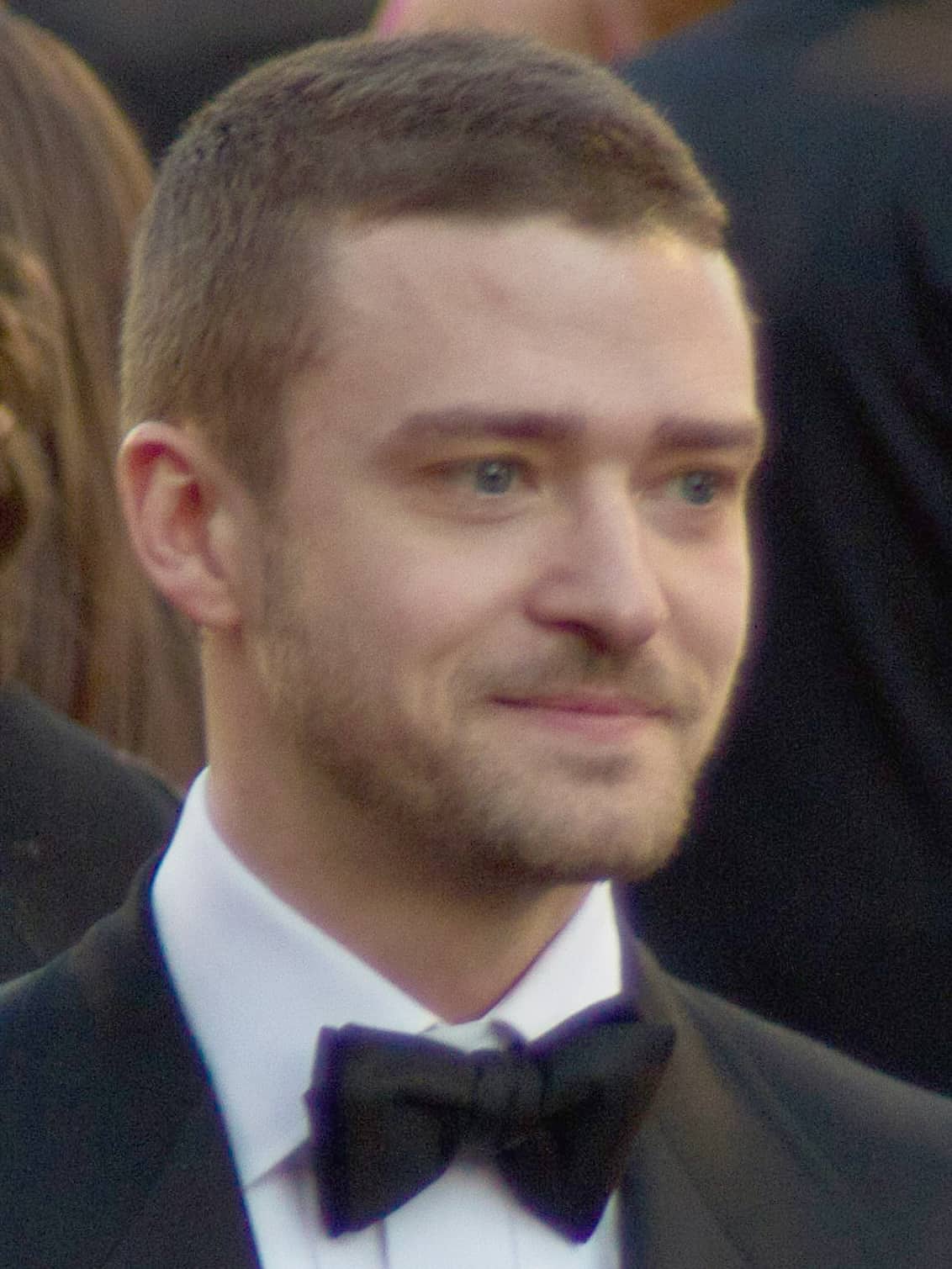
Justin Timberlake is an American singer, songwriter, actor, record producer, and businessman who first became known as a child performer before becoming one of the defining pop stars of the late 1990s and 2000s. Born in Memphis, Tennessee, he rose to fame as the youngest member and lead singer of *NSYNC, then built a solo career that made him a major figure in mainstream pop, R&B, and celebrity fashion.
| Born | January 31, 1981 |
|---|---|
| Place of origin | Memphis, Tennessee, United States |
| Known for | Lead singer of *NSYNC; solo pop albums; film and television roles |
| Early TV work | Star Search, The New Mickey Mouse Club |
| Also credited as | Timberlake |
How did Justin Timberlake become famous?
Timberlake began in television, appearing on Star Search and then The New Mickey Mouse Club, where he worked alongside other young performers who later became major pop and TV names. That early training mattered: it gave him stage discipline, camera comfort, and a clean-cut public image that fit the late-1990s teen pop market.
His breakthrough came with *NSYNC, a boy band financed by Lou Pearlman and built for mass-market pop success. Timberlake’s high tenor, dancing, and central position in the group helped make the band one of the biggest acts of the era, especially in the United States and Europe. For many listeners, he became the most visible face of a broader boy-band wave that defined the final years of the decade.
What made his solo career different?
After *NSYNC, Timberlake moved into solo pop with a sharper, more adult image. His records blended radio-friendly hooks with contemporary R&B, hip-hop production, and polished studio craft. That shift helped him separate himself from teen-pop packaging and present himself as a solo artist with more control over sound and style.
His solo work also changed how he appeared in public. The frosted highlights, denim-on-denim looks, oversized streetwear, and glossy performance styling associated with early-2000s pop culture became part of his visual identity. In fashion terms, Timberlake became a reference point for a specific moment when boy-band polish, clubwear, and casual American sportswear collided.
Why does Justin Timberlake matter in fashion and visual culture?
Timberlake matters because pop stars do not just sell music; they circulate silhouettes, haircuts, fabrics, and ideas about masculinity. His image helped normalize a version of male celebrity that could be both playful and carefully styled, mixing baseball caps, loose denim, graphic tees, leather jackets, and performance-tailored stagewear. That blend kept him relevant beyond music charts.
He also appears in fashion history as a marker of revival. When 1990s and early-2000s trends return, Timberlake often functions as shorthand for the era: banded streetwear, oversized proportions, visible logos, and coordinated pop-group styling. In that sense, his cultural value lies not only in songs or acting roles, but in how clearly his career maps onto shifts in popular dress and celebrity presentation.
What did he do beyond music?
Timberlake has also worked in film, television, and business. He acted in feature films, produced records for other artists, and became involved in commercial ventures that extended his name beyond entertainment. That diversification is common for major pop figures, but in his case it reinforced a brand built around polish, professionalism, and broad mainstream appeal.
Those side projects matter because they kept him visible after the peak of boy-band fame. For a visual-culture reader, they show how celebrity images are maintained through multiple channels: live performance, film roles, press photography, advertising, and carefully managed public appearances. Timberlake’s career is a useful example of a pop persona built across several media rather than one.
Frequently Asked Questions
Was Justin Timberlake only a boy-band singer?
No. *NSYNC launched his career, but his solo catalog, film work, and producing credits became a much larger part of his public identity. His later career shows how a performer can move from group fame into an individual brand.
Why is he mentioned in discussions of 1990s fashion?
He is closely associated with the late-1990s and early-2000s look of pop stardom: coordinated outfits, sportswear, denim-heavy casual dress, and highly managed grooming. Because those styles are returning in cycles, his image often appears in conversations about retro fashion.
What is the significance of *NSYNC in his story?
*NSYNC was the platform that made Timberlake a global name. The group’s success established his audience, his stage persona, and much of the style language that later followed him into solo work. Without it, his later career would have had a very different starting point.