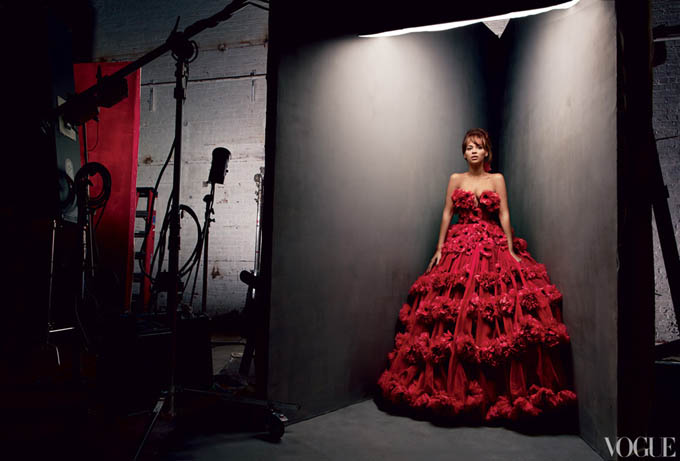
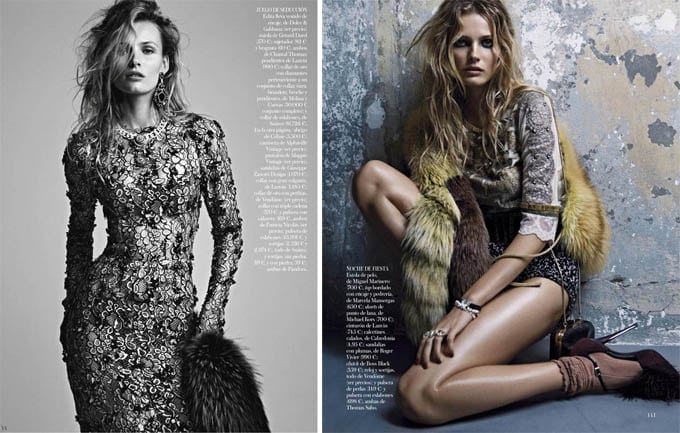
Patrick Demarchelier was a French fashion photographer known for polished, natural-looking portraits and magazine images that made luxury feel effortless. Working from the late 20th century into the 21st, he became one of the most recognisable names in editorial and advertising photography, especially for glossy publications and fashion houses that wanted elegance without stiffness.
| Born | 1943, La Celle-Saint-Cloud, France |
|---|---|
| Died | 2022 |
| Nationality | French |
| Known for | Fashion photography, portraiture, advertising |
| Associated with | Vogue, Vanity Fair, Glamour, Dior, Chanel, and other fashion clients |
| Common look | Clean lighting, relaxed posing, crisp tailoring, and a controlled but airy finish |
Why Demarchelier mattered
Demarchelier helped define a modern fashion-portrait style that felt accessible without losing glamour. His pictures often softened the distance between model and viewer: clothes still looked expensive, but the image suggested movement, intimacy, and ease rather than rigid display. That balance made his work especially suited to editorial covers, celebrity portraits, and brand campaigns that needed authority and warmth at the same time.
He also mattered because he worked across the systems that shaped fashion photography at scale. His images appeared in major international editions of Vogue, in celebrity-led magazines, and in campaigns for luxury labels, which meant his visual language circulated widely. For many readers, his photographs became part of the standard vocabulary of late-20th-century fashion imagery.
What did his photographs look like?
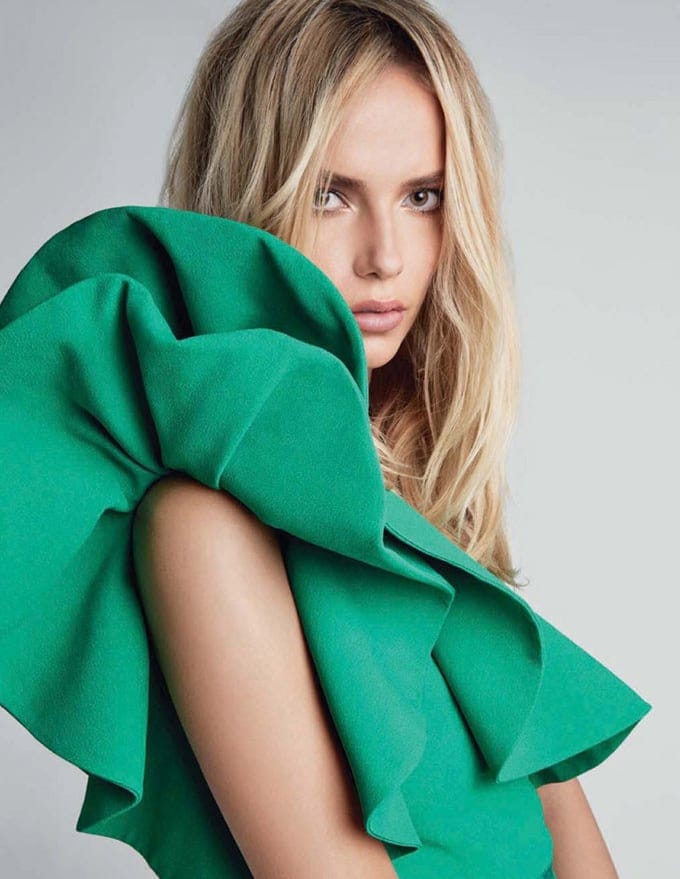
Demarchelier’s photographs usually relied on clarity rather than heavy artifice. He favoured clean compositions, bright or carefully controlled natural light, and posing that made the subject appear composed but not frozen. Skin, fabric, and hair were often rendered with a smoothness that suited couture, silk, satin, jewellery, and sharply cut tailoring.
In practice, that meant images where a hand resting lightly on a hip, a jacket falling open, or a gaze directed just past the camera carried as much weight as the garment itself. He often made fashion look lived in: a coat sat on the body instead of standing apart from it, and a celebrity portrait could feel conversational even when it was highly produced.
How did he work in fashion photography?
Demarchelier rose through the editorial and advertising world after moving from France to New York, where the fashion industry rewarded photographers who could deliver both technical polish and consistent commercial appeal. His career grew alongside the power of international fashion magazines, which depended on strong covers and portraiture to set the tone for each issue. He became a regular choice when editors wanted an image that was recognisable, flattering, and luxurious without appearing overworked.
He also worked in a mode that was collaborative rather than purely authorial. Fashion photography depends on stylists, makeup artists, hair teams, set builders, art directors, and retouchers, and Demarchelier’s pictures show the results of that whole production chain. The final image usually looks effortless, but it is built from careful control of light, styling, and pacing on set.
Why is he still cited in fashion and portraiture?
Demarchelier remains influential because his work sits at the point where editorial glamour and commercial clarity meet. Later fashion photography often became either highly conceptual or aggressively stylised; his pictures offered a different model, one rooted in restraint, clean beauty, and confident framing. That made his images easy to reuse as reference points for photographers, art directors, and magazine editors.
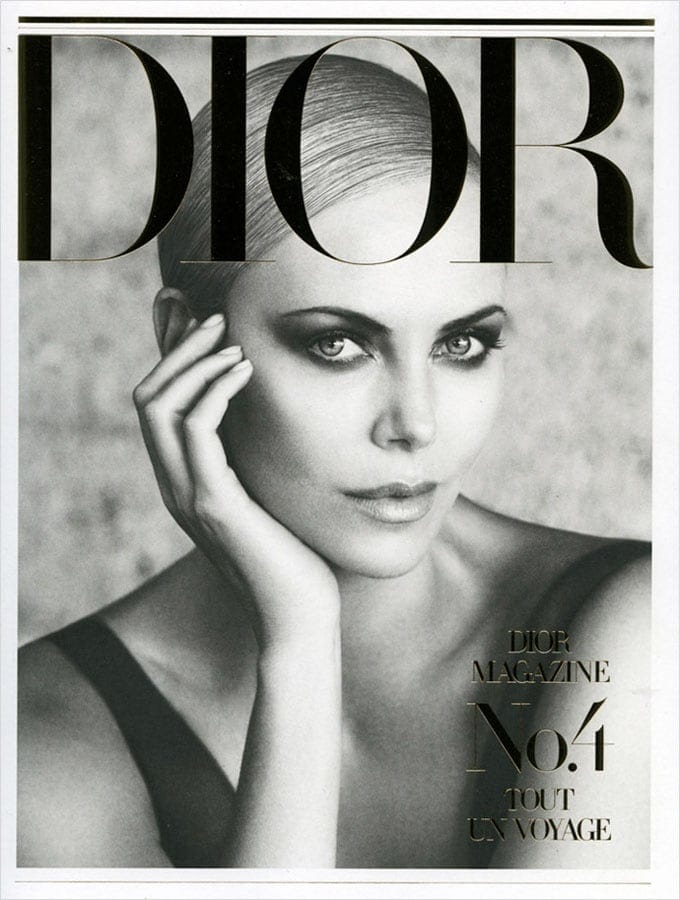
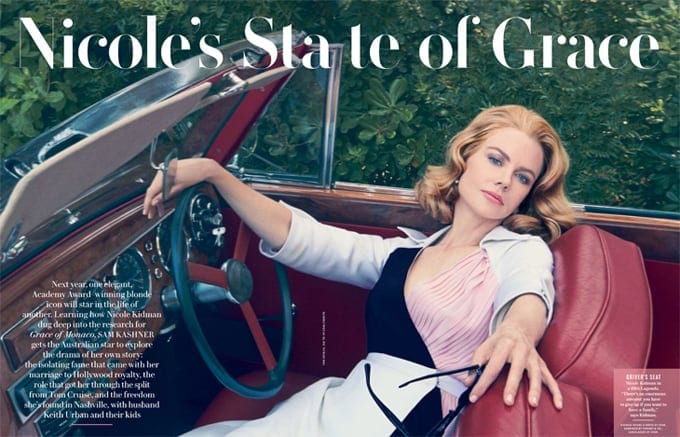
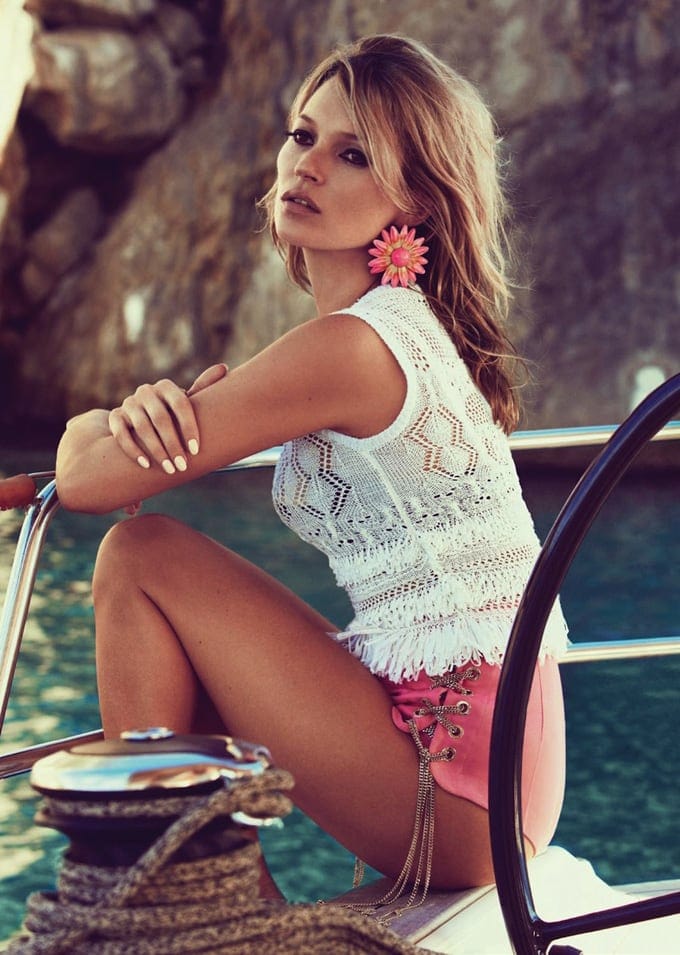
His archive also matters historically because it documents how mainstream fashion culture presented femininity, celebrity, and luxury for decades. Covers featuring models such as Kate Moss, Natasha Poly, Anja Rubik, Sasha Luss, Edita Vilkeviciute, and public figures such as Beyoncé, Charlize Theron, Nicole Kidman, and Lady Gaga show how widely his style travelled across age, fame, and market. The thread through all of it is a controlled elegance that never loses the sense of a person inside the clothes.
Frequently Asked Questions
Was Patrick Demarchelier only a fashion photographer?
No. Fashion was the centre of his reputation, but he also made portraits and advertising images. His celebrity work mattered because it translated the same visual discipline into pictures of actors, musicians, and public figures.
What made his style different from other fashion photographers?
He worked with less visual noise than many of his contemporaries. Instead of building images around elaborate sets or dramatic effects, he often let light, posture, and clothing carry the picture. The result looked direct, polished, and easy to read at a glance.
Why does his name appear on so many magazine covers?
Editors trusted him to produce images that could carry a cover and still feel current. His photographs delivered glamour without making subjects seem remote, which suited publications that sold aspiration through personality as much as through clothing. That reliability kept him in heavy rotation across international fashion titles.
Articles mentioning Patrick Demarchelier