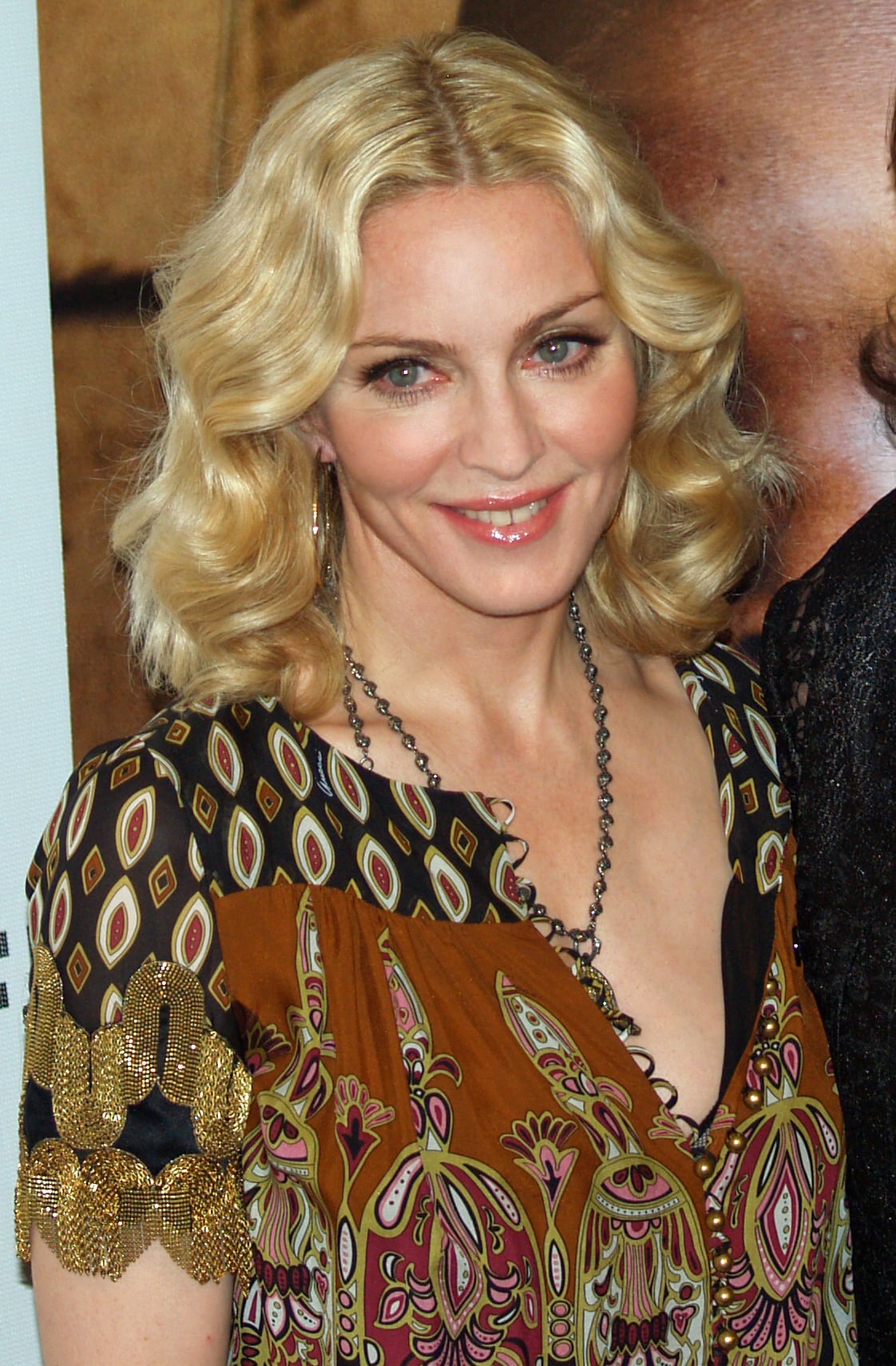
Madonna Louise Ciccone is an American singer, performer, and businesswoman whose career has shaped pop music, fashion, and celebrity culture since the 1980s. She began in New York as a dancer and club performer, then became one of the best-known recording artists of the modern era through tightly controlled albums, provocative imagery, and repeated reinventions of her public image.
| Born | August 16, 1958, Bay City, Michigan, USA |
|---|---|
| Known for | Pop music, live performance, visual reinvention, control over image and recordings |
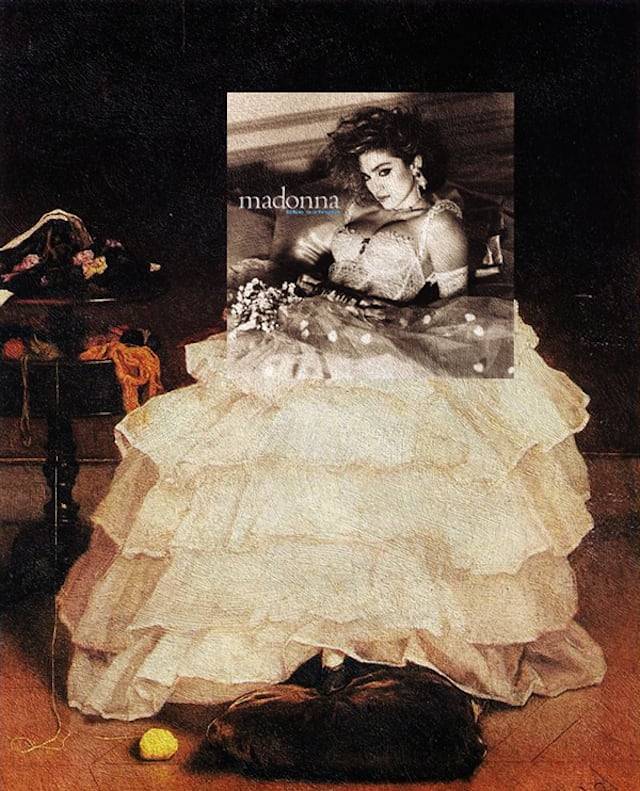
| First major breakthrough | Early 1980s club singles and the album Madonna |
| Other work | Acting, directing, writing, fashion, entrepreneurship |
| Why she matters | She helped define the modern pop star as a multimedia brand with artistic control |
How did Madonna become so influential?
Madonna arrived in New York City in 1977 with dance training and a strong appetite for performance. She worked through clubs, backing roles, and small bands before breaking through as a solo artist in the early 1980s. That background matters because her work never treated pop music as only sound; it joined choreography, styling, photography, and video into a single public image.
Her influence grew from the way she used that image. Each era arrived with a fresh look, a new sound, and a clear visual argument: streetwear and downtown grit, boy-toy glamour, religious provocation, disco precision, or late-career restraint. Few pop figures have used wardrobe, lighting, body language, and album art as deliberately or as often.
What does “reinvention” mean in her work?
Madonna’s reinvention is not a vague branding idea. It is a practical method of working across records, performances, videos, and publicity. An album launch might include a new haircut, a changed silhouette, a different accent or vocal style, and a tightly edited set of images that define the era before the songs even reach radio.
This approach also changed expectations for female pop stars. Instead of being fixed by one “type,” Madonna treated persona as a material she could shape. She became a choreographer of attention, using costume, makeup, fitness, and staging to build characters that were instantly legible but rarely stable for long.
Why did she matter to the recording industry?
Madonna fought for control over her music and presentation in a business that often separated artists from the decisions around them. She became known for insisting on a strong role in songwriting, production choices, video concepts, and tour design. That autonomy helped establish a model in which a pop star could act as both performer and executive strategist.
Her success also proved that commercial pop could be visually ambitious and financially dominant at the same time. Videos, tour design, photography, and styling became part of the product, not decoration around it. That model now defines much of mainstream pop: the record is only one piece of a larger visual system.
What does her presence look like in practice?
In practice, Madonna’s work often appears as careful contrasts. A polished dance track may sit beside Catholic symbols, street fashion, gym-toned choreography, or club imagery. Her stage shows often combine theatrical sets, highly synchronized movement, and references to art, religion, or cinema, producing performances that read as both mass entertainment and cultural commentary.
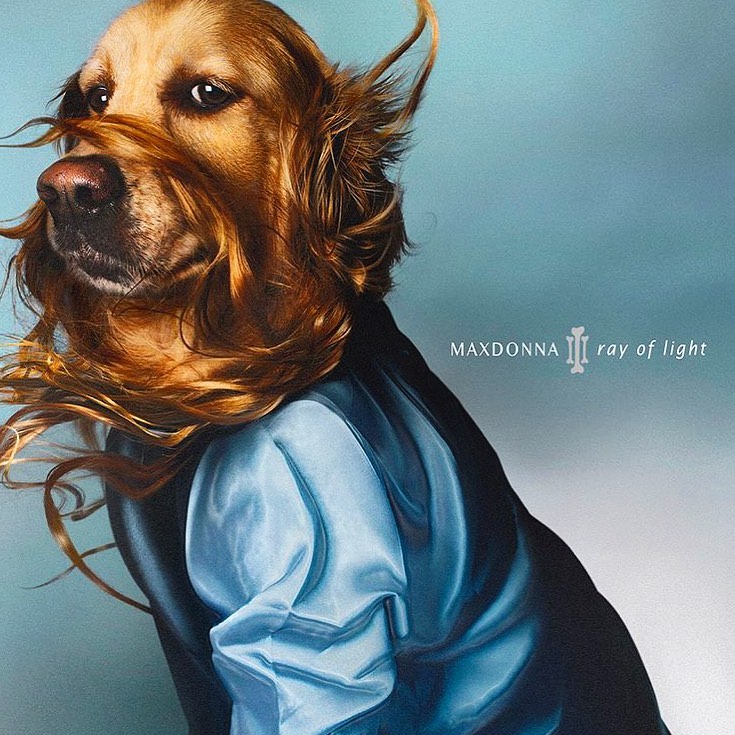
Her image has also been widely photographed and imitated. Portraitists and fashion photographers have used her as a subject because she understands the camera as an active collaborator. Whether in album sleeves, magazine editorials, or tour posters, her public identity tends to be built from pose, lighting, fabric, and editorial control rather than spontaneity.
Frequently Asked Questions
Is Madonna just a singer?
No. She is a recording artist, but also an actor, director, dancer, and entrepreneur. Her significance comes from combining those roles into a single career built around performance and image management.
Why is she often described as a pop icon?
She helped set the standard for how a pop star can operate as a visual brand, a live performer, and a controversial public figure. Her work influenced how albums are launched, how videos are made, and how celebrity image is managed over time.
What is the main feature of her style?
Constant change with strong control. Madonna has repeatedly adopted new looks and sounds, but those changes are usually planned, graphic, and tightly tied to the work around them. That makes her style less about inconsistency than about deliberate reinvention.
Articles mentioning Madonna (entertainer)