Reuters is a global news agency that supplies text, photographs, video, and financial reporting to newspapers, broadcasters, and digital publishers around the world. Founded in London in 1851, it began by moving market and political news quickly across borders, first with pigeons and then with telegraph cables, and it remains one of the most widely used wire services in journalism.
- Founded in 1851 in London by Paul Julius Reuter.
- Built its reputation on speed, especially for business and market news.
- Supplies reporting and images to other media rather than mainly publishing under its own brand.
- Known for a house style that prizes clarity, attribution, and factual distance.
- Now part of Thomson Reuters, after the 2008 acquisition of Reuters Group.
How Reuters began
Reuters started as a practical communications business. Paul Julius Reuter used carrier pigeons to fill gaps in the telegraph network, then established a news service that could move information faster than competitors. Early success came from reporting share prices and commercial news between financial centres such as London, Paris, and Berlin, where minutes mattered and small delays could change a trade.
That emphasis on speed shaped the agency’s identity. Reuters did not set out to be a newspaper with a fixed audience; it became a supplier of raw news for many outlets at once. The model helped standardise wire reporting, where a single story might be rewritten by dozens of editors and republished across print, broadcast, and online platforms.
What does Reuters do?
Reuters collects and distributes news in text, still photography, video, and audio, with especially strong coverage of politics, conflict, economics, business, and markets. Its reporters work under tight deadlines and under a style that aims for concise sentences, clear sourcing, and minimal editorial colour. The result is writing that often reads as stripped-down and factual, because it is designed to be reused by other publications with little rewriting.
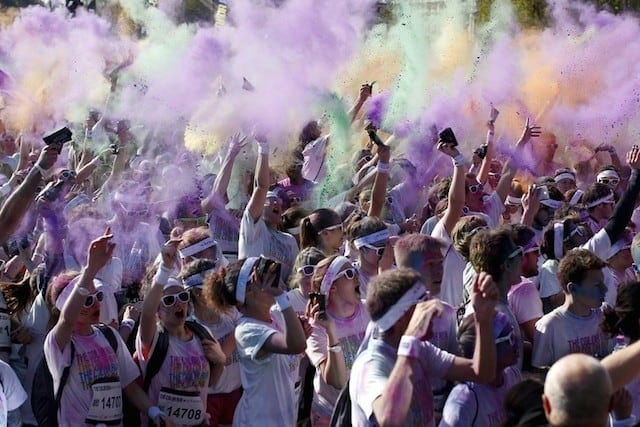
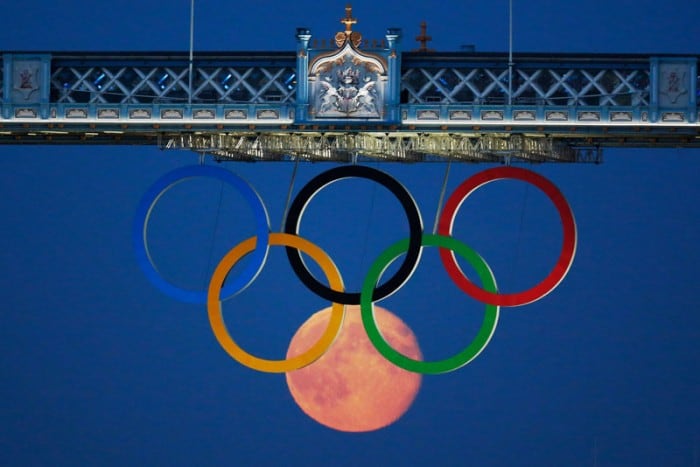
In visual culture, Reuters matters because its photographers and video journalists shape the images that travel fastest through the news system. A Reuters photograph of a protest, a disaster, a fashion show, or a sporting event often reaches global audiences within minutes. The agency’s pictures tend to favour immediate action, clean composition, and visible evidence of an event rather than interpretive staging.
Why does Reuters matter in journalism?
Reuters helped define the modern wire-service economy, in which news is gathered once and distributed many times. That structure influences what counts as a headline, how quickly a story spreads, and which images become familiar around the world. Editors often trust Reuters because it maintains a recognizable discipline: verification, attribution, and restraint in language.
The agency also matters because it sits inside the infrastructure of news. A local paper may not send its own reporter to a conflict zone, but it may run Reuters text and photos. That makes the agency a quiet but powerful presence in public life, especially during elections, emergencies, financial shocks, and major cultural events.
How Reuters looks in practice
A Reuters article usually opens with the most important fact, often naming the place, date, and immediate consequence. Captions are similarly practical: they identify who, what, where, and when, with little flourish. The agency’s photographs often use natural light and direct framing, whether the subject is a street demonstration, a runway show, or a high-tech launch.
For art and culture coverage, Reuters tends to record events rather than interpret them. It documents the scene, the crowd, the gesture, the costume, the performance, or the object, leaving analysis to the publication that runs the material. That is why Reuters appears so often in articles that need an image of a public moment, not a critical essay about it.
Frequently Asked Questions
Is Reuters a newspaper?
No. Reuters is a news agency, which means it gathers and distributes content to other publishers instead of primarily serving its own readers. Many newspapers, websites, and broadcasters use Reuters material in their coverage.
Who owns Reuters now?
Reuters is part of Thomson Reuters, the company formed after Thomson Corporation acquired Reuters Group in 2008. The Reuters news agency remains the best-known public-facing brand within that larger business.
Why do so many articles credit Reuters photos?
Reuters has a large international photography operation that covers breaking news, politics, culture, and sports. Its images are distributed quickly and licensed widely, so they often appear in stories published far from the original event.
At a glance
- Founded
- October 1851
- Address
- London, United Kingdom
Articles mentioning Reuters